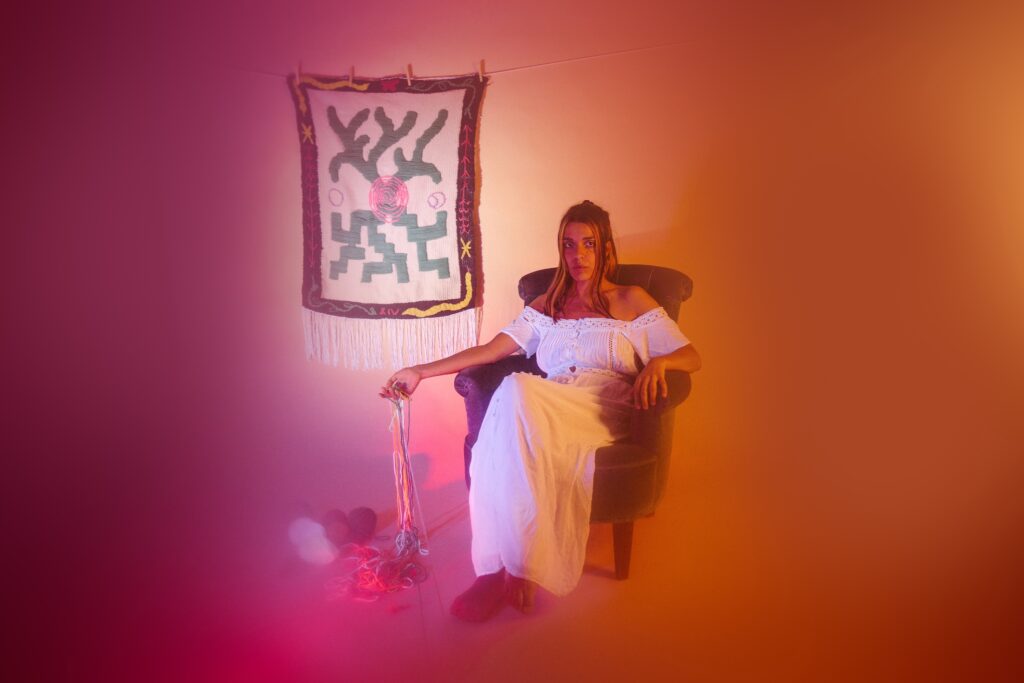
[Intervju] Meta_: Singing Between Worlds

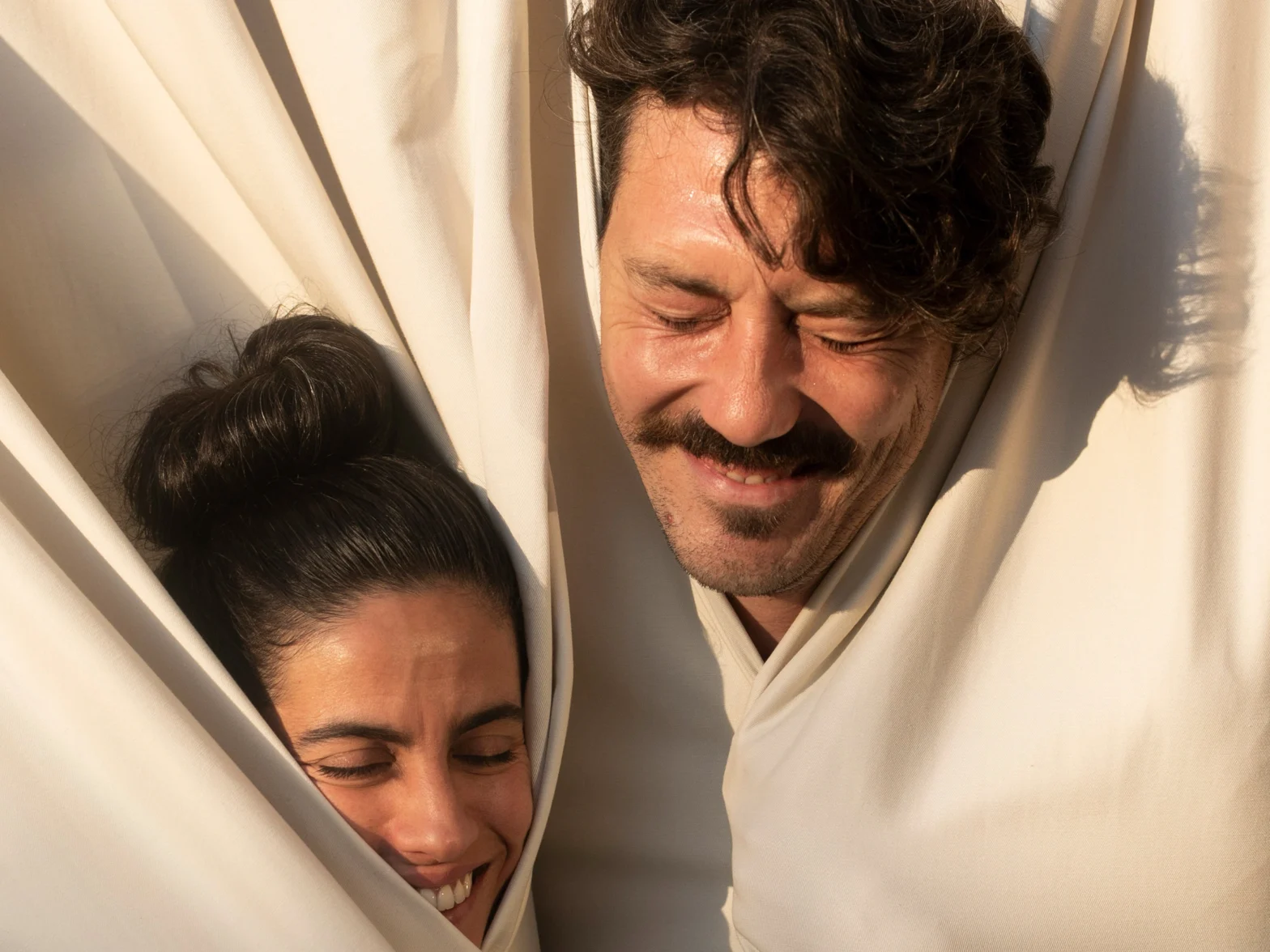
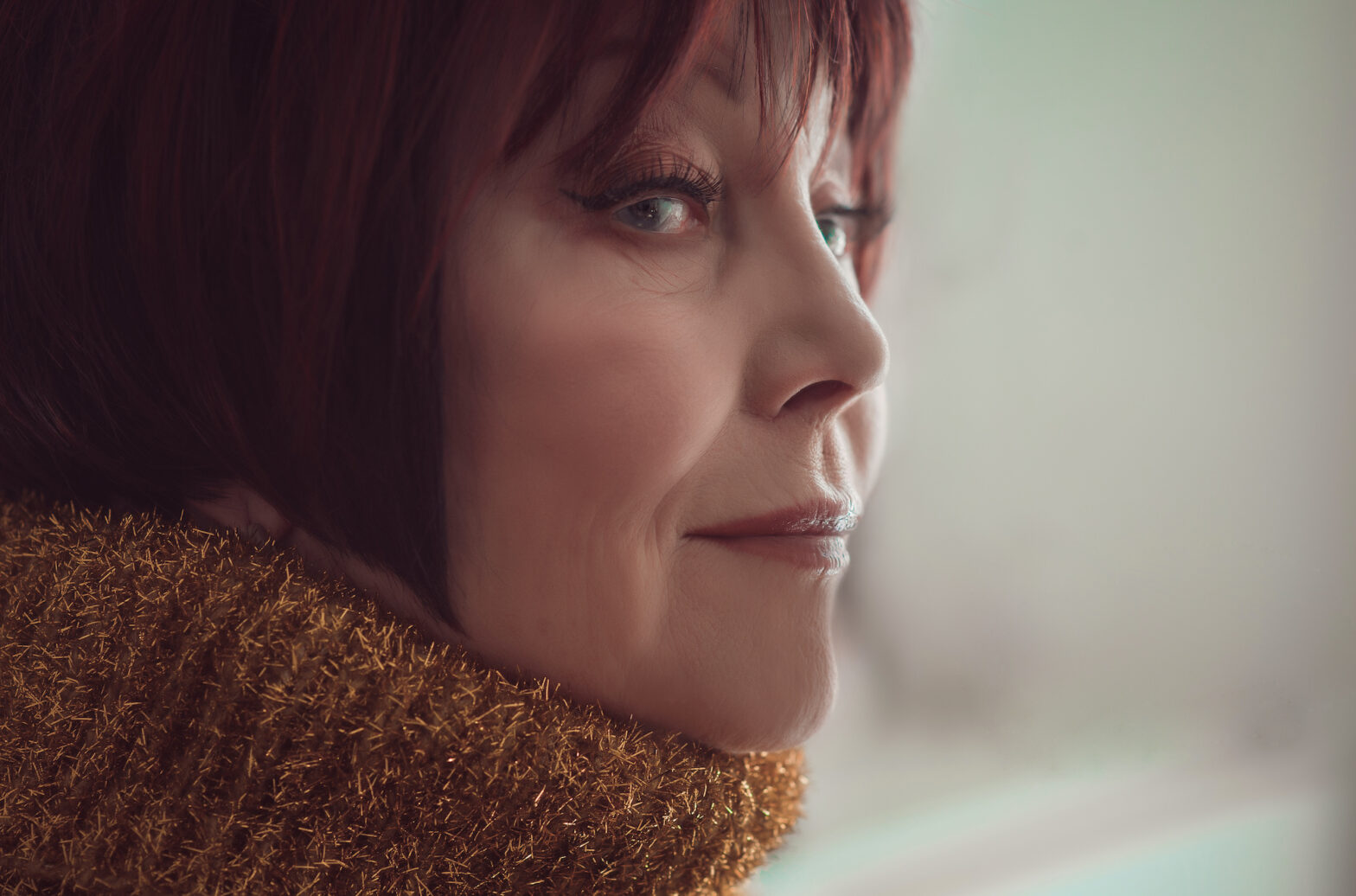
North Portugal’s own Meta_ (Mariana) bridges the organic and the electronic, blending ancestral chants, field recordings, and poetic voice into transformative music. From her debut at Primavera Sound through festivals across Europe to Močvara! Dive into our interview and join us in the audience on August the 26th!

Can you say a couple of words about who you are and your work so far?
Sure! Hi, I am Mariana, a singer, songwriter and producer from North Portugal. I was born surrounded by the chants of my grandmothers and the symphony of nature in the rural landscape of my hometown. Since I was a little kid I have loved to sing and my passion for electronic music grew as I grew up.

The merging of the organic sounds with electronic, weaved with my poetry and voice, is what I love to do. A merging of different realities, a bridge between times and mediums, to unite the apparent opposites and create a sonic meeting point of all the journeys I have experienced.

I released my debut album “XIV-A Integração” in May 2023 by the Argentinian label ShikaShika and premiered the live show in PrimaveraSound Porto in the same year. In 2019 I was invited to play in Festival da Canção (Portuguese Eurovision Song Contest) in which I was a finalist with my original song and performance. Since then I have been playing festivals like Bons Sons (PT), Nos Alive (PT), Rio Loco (FR), Urkult (SE), Mumi (ES), Waves Vienna (AUT).

I also have been working as a Sound Designer for Theatre Plays for over 5 years, as well as working with communities around rural Portugal, focusing on elders and children, to amplify their voice through music as well as capturing field recordings.

With other musical projects beyond “Meta_”, I collaborate and play live with Dj and Producer Xinobi, with whom I have recorded for ArteConcert and played in Festivals like MeoKalorama (PT), Nos Alive (PT), EuropaVox (FR), Soundscape (TR) and we will be playing now in Festival Paredes de Coura (PT).
As a more meditative project, me and my big friend Bom Beijo created “Vibrasutra”, a soundjourney project where we just played in the Boom Festival.

This concert I will be doing is part of my Europe Tour, funded by Fundação GDA, with which I have also been able to do 2 concerts in Iceland beforehand.

You often bring nature, ancestry, and transformation into your music. How do your roots in Trás-os-Montes still shape the way you create and sound today?
Growing up surrounded by silence, nature and the slow practices of everyday life aligned with the cycles of nature is something now I deeply value and can see how it has impacted me in every area. It’s important for me to acknowledge my upbringing and where I come from so that I can create a future that is conscious of its roots. This connection with the Earth and its cycles is something that I want for people to feel when they listen to my music, whether it’s through the way I sing or through the instrumental creations.

On the musical production aspect, I always incorporate field recordings I do from the places that I get to be or to sample my recordings as a way to add texture and organic movement to the songs. I have also written songs like “Peneir-ar”- which is a metaphor of the sifting practice parallelled to the letting go we sometimes have to do in our lives- in which I sampled the sounds of the sift in my village and I wrote the lyrics relating to it.

There is this book by the painter Joan Miró called “I work like a gardener” and I find that I relate a lot to it. He explains that to make his art he treats it with the timings of a gardener, respecting the time of the seed, the time of the bloom and the time of the shedding. That everything has its natural rhythm and that’s a philosophy I try to attune myself, in music and in life.

To be aware of the land, the natural metamorphosis that keeps happening, the ancestors that have paved the path for us, it’s my job as a lover of the earth to keep these things alive and my way to do it is through music.

You use a lot of natural and ancestral sounds. Is there a sound — maybe from your childhood or your travels — that you keep coming back to when you create?
I wouldn’t say necessarily I go back to a sound to create. I definitely go back to memories, some of mine, some of the people around me. The translation of those images or feelings to sound is a big drive to create. But for sure, the sound of crickets takes me back home in a second.

Your music often flows between languages. Do certain emotions or ideas come more naturally in one language over another for you?

Exactly! I use different languages to express different emotions. I feel the phonetics of the language itself and the way I can share and write about it varies according to the language so I choose which one feels best for what I am trying to transmit. Sometimes, I love to mix different languages in the same song too. It’s also about blurring the boundaries of language and an invitation to hear beyond the lyrics.

If someone were hearing your music for the first time, is there a track you’d suggest they start with to really understand what Meta_ is all about — and why that one?
I would say “Fuego Sagrado”. I sing in 3 languages: Portuguese, Spanish and English and I wrote about the sacred fire that is used as alchemy to create liberation. It brings both the struggles of life and emotions we all go through but parallelled with metaphysical concepts, which I love.

Meta_- Peneir-ar | Ao vivo no forno da aldeia | com Wave by Genki Instruments

Can you talk about one specific song from “XIV – A Integração” that carries deep personal meaning, and what listeners might not realize on first listen?
I think that would be my last song “Vento do Éter”. It’s an ambient composition I created all with field recordings and people I have recorded in my travels and daily life. My mom, dad, brother, grandmother and close friends are in the recording as well as Peruvian man that does boat trips on the Ucayali river in the Amazon Jungle or this Brazilian man playing the berimbau and me singing with him. In this one, I know a lot is my personal journey that will not be fully understood as It’s deeply personal but everyone can listen and compare it to their life and their journey, because that’s what’s really more important, your own experience of listening. I would just say to really pay attention to the lyrics in this one as there are some quite deep messages that have changed the way I see life.

Do you have any specific rituals or routines before going on stage?
My ritual is silence, prayer and gratitude. Take a deep breath, attune to myself and to why I am doing this and to be grateful that I can have the opportunity to share love and music with people.

Playing in a venue like Musicbox, which is linked to Liveurope and brings in artists from across Europe—did that spark anything new for you about collaboration or cultural exchange through music?
Having a space like Musicbox is so important for the cultural exchange here in Portugal and I have to mention that unfortunately that venue will be closing soon after 19 years. Portugal is yet to awaken and to truly value music, arts and culture as well as the underground scene. This venue has brought me many beautiful moments, inspiration and connection, not only when I have played there but when I have also been part of the audience. I hope we can see these places as meeting points for sharing and bridging communities and people with greater importance for society.

What have you been listening to lately? Do you know about any emerging names/colleagues we should check out?
Since I have just come back from the Iceland Tour, I have been listening to a lot of Icelandic Artists like Birnir, Briet, Venus Volcanism and of course, Bjork.
About emerging artists based in Portugal I would recommend you listen to Bia Maria, Bandua, and Bom Beijo.

Are there any venues or places where you would love to perform in the future?
Well, a dream come true is playing in Zagreb for the first time which I am so excited about! Regarding other venues and places, I would love to keep being able to play in international stages and venues around the world, while experiencing the culture and meeting people.

Thank you so much for this beautiful interview!

Anita Ulovec (Volontiram u Močvari)

Beyond Borders: Alembic on Folklore, Experiment, and Innovation

Iva Damjanovski and Viktor Tanaskovski of Alembic discuss their evolving sound, from folklore and field recordings to electronics, ahead of their Zagreb performance on August the 26th.


Can you say a couple of words about who you are and your work so far?
We are Iva Damjanovski and Viktor Tanaskovski. For our upcoming Zagreb performance and our second album, we are joined by Andrea Mircheska and Dragan Teodosiev, with Filip Efinski contributing exclusively to the album.

In your Radiomof interview, you described wanting “technology… to honor nature… to work together in a beautiful synthesis.” How has that vision evolved since your debut album — and have you found new ways for nature and technology to collaborate in your music?
Although our second album does not address this theme as directly, our fascination with it continues. We believe in the symbiotic relationship between opposites—a paradox that drives our work. Since the release of our first album, we have engaged in numerous projects exploring similar ideas, from creating music with soundscapes and field recordings to participating in performances in nature. We still consider this subject deeply relevant, continually seeking new perspectives on the compelling conflict at the heart of the human condition.

To what extent does Macedonian culture shape your music, and where do you feel your sound exists beyond geography?
This influence is deeply present in our work, audible in our melodies, timbres, and the use of irregular rhythms. Still, we strive to honor it without referencing it too literally—especially since we feel that our folklore has often been exoticized. For us, cultural heritage should never be reduced to a musical gimmick. At the same time, we draw inspiration from music across the world, regardless of its geographic origin. Our approach is to continually blend diverse influences, aiming for originality not through invention out of nothing, but through an innovation born of connection.

What is your favorite venue/festival where you performed so far and why?
It’s hard to choose a single favorite, but one that stands out is our recent performance in Kochani at the Rasplet Festival. It was emotionally intense yet beautiful and hopeful, made even more meaningful by the fact that it was organized by young people for a mostly young audience, coming together to support their town after a recent tragedy. We also loved performing in Padova for Echoes of Heritage, as it involved exciting and fun collaborations. Equally special was our performance at the Sepak se Vrti festival—a homecoming concert after a tour that meant a great deal to us, and particularly significant since the festival carries the name of one of our choruses. Our Paris concert at Sikai’s studio remains dear to us as well, for its warm and intimate atmosphere (and for coinciding with Viktor’s birthday). And finally, our appearance at the PIN Music Conference was unforgettable—not so much because of the festival itself, but because of the incredible audience.

Alembic – Sins of the Feather, live @VoiceOfYouth

Have you ever improvised something on stage that later became a recorded track?
Yes! It’s actually the story behind our song “Лет во Место” (“Let u Mjestu”) which started as a super simple improvisation in D, and the entire song just stays in D. That’s why it’s called “Let u Mjestu” (meaning a static flight, but at the same time an homage to a play by Goran Stefanovski).

Viktor, you handle a lot of string work; Iva, you bring in keys, theremin, and vocal textures. How do you avoid stepping on each other’s sonic space?
We approach our instruments as tools with the potential to go beyond their traditional roles. For example, through various gadgets and techniques, the guitar can transform into a bass, a string section, a synth pad, or even a percussion instrument. We choose these roles depending on what the music requires—or rather, what it is missing. The rest of the sonic space is then shaped by the other instruments: the theremin, which can take on the qualities of a voice or a bowed string instrument (when the guitar isn’t already filling that role), or the analog synth, which can step in as a bass when needed. In this way, each instrument adapts to create balance and richness within the composition.

Some people hear experimental music as “difficult.” Do you want to meet the listener halfway, or is discomfort part of your intent?
Yes and no. Both of us like really crazy music that’s for sure and we do appreciate making the audience uncomfortable, but we don’t consider “Alembic” to be a project that is purely experimental. What we do can definitely be classified as pop at times. We have other projects where we are much more raw and atonal, but with Alembic we are trying to make “new” music, rather than just play sonic games – we take it a bit more seriously. We do however like to put “nasty” or noisy sounds on top of a well structured composition, or the reverse, adding a nice melody on top of a dissonant sonic surface, again as a means to intensify emotion.

Have you ever been surprised by how a listener interpreted one of your tracks — in a way you never intended?
We can probably say that Dynamo is one of our songs that was never intended to evoke nostalgia, but this might have a lot to do with its music video – neither the music, nor the lyrics are dealing with such subjects. Anyway, we do not mind, especially since it started having the same effect on us too.

If your next project had to be only one of the two — purely acoustic or purely electronic — which would you choose and why?
Viktor: Purely acoustic. I’d like to explore new fields that I haven’t really worked in.
Iva: Purely electronic, because I’m really into analog synths right now, and I am trying to see how far that can be pushed.
I guess we are disbanding for that one.. haha

Your debut album came out in 2022. Have you been exploring ideas for what might come next?
The next would be our second album, which we already started recording, and some of this new material will be played in Mochvara with our new line-up.


Anita Ulovec (Volontiram u Močvari)

Cogito, Ergo Slam —Descartes a Kant and the Sound of Existential Mayhem

Descartes a Kant borrowed their name from the great thinkers, but their music is anything but academic. It’s raw, theatrical, and gloriously unpredictable. We talked with the band about building meaning out of chaos, escaping genre, and why every record is its own philosophical experiment. They’re coming to Močvara 31.7. to give you a taste.

Your band name pulls from Descartes and Kant — logic, structure, philosophy… but your sound is pure chaos in the best possible way. What does that contrast represent in the context of your (really great) music?
Great question! To me life is about making sense out of chaos, and philosophy itself is pretty much about making all the questions as possible about the meaning of life – We are uncertainty searching for certainty. So I guess our music in sound and structure represents that, trying to go through all the colors, from black to white, from the sweetest to the hardest, from Descartes to Kant.

After everything — all the touring, scene shifts, and years navigating both the underground and international circuits — what’s the one thing you’ve never compromised on in your art?
Fortunately we’ve never ever had to compromise anything in our art, on the contrary we learn as much as we can about the diversity in music, all types of music scenes and all the different cultures we get to cross our paths with. It’s amazing to be able to go around the world presenting our crazy art.

Was there a specific show, band, or moment in the Mexican scene early on where you thought, “Okay, this is real — we can actually do this”?
After we released our album debut Paper Dolls, like in the same year we opened for the Yeah Yeah Yeahs, for Sonic Youth and also we played at our first massive festival ‘Vive Latino’ – which is the hugest in Latinoamérica, in that year we felt that something was happening and that we had something special going on, that the people was starting to know about us and be receptive to this kind of music, and we started to take it seriously in a way.

Descartes a Kant – After Destruction (Official Video)

You’ve talked before about feeling like outsiders in the Mexican scene. Has that outsider status turned into a kind of creative freedom over time? Or does it still feel like you’re carving out space where there wasn’t any?
Yeah not fitting in a genre or a specific scene gives us all of the freedom to experiment and push our own artistic limits without feeling that our audience has an expectation about us, and that has always been what this band is about, the anti genre and not fitting in a box.

Every one of your records feels like a total reinvention — from Paper Dolls to Victims of Love Propaganda, it’s like stepping into a new world each time. What pushes you to change things up from album to album?
Yeah totally, that’s like our thing, each album is like its own universe and it’s so hard and challenging to do that every few years, but it’s also what makes it super exciting, you can never get bored or too comfortable.

What’s the weirdest, most unexpected thing that’s ever sparked a song for you? Like, a dream, experience, a conversation, a smell… anything.
There was one conversation we had during a breakfast several years ago, I was talking about how cool would it be to see a tap dance solo in a punk venue, like those two different contexts converging, and that’s when I started to write ‘You May Kiss The Bride’, which is a personal wish of singing in a musical, made reality!

“No es por ti, es por mí” stands out since it’s fully in Spanish — which you don’t always do. Does something shift in your performance when you switch languages? Is there something you can say or feel in Spanish that just doesn’t come across the same in English?
Yeah, switching languages is like having a dual processor in your mind, not everything  translates precisely, but at the same time all my life has been about switching between those two languages intermittently. I grew up in California and then moved to Mexico when I was a kid, so this language shift has occurred ever since. And when you are writing music, it challenges you in a very particular way. It’s rare nowadays to hear a Mexican band sing in English, but at the same time I always viewed DAK as an intentional project, so it had made more sense through time since we have been touring more and more out of our country. I’ve realized that in the end the audience connects with the music, the performance and the art language in a broad and more immediate and intimate way, despite the lyric language our songs have been written in. Touring this album among live audiences in different countries has been incredibly fun to experiment.

If you could play one stage — any stage in the world — where do you think Descartes a Kant belongs? Like, what’s the dream venue or festival that just makes sense for your universe?
We are dying to go to Asia, it’s like our dream, and everyone says we would make so much sense there. I wish we could play at the Fuji festival someday.

You’ve mentioned how tech connects and isolates us at the same time. Do you think music still brings people together in a meaningful way — or is that kind of connection harder to come by now?
Music and art definitely bring people together in many ways, whether you are creating it or experiencing it as an audience. Hopefully in a meaningful way! In our case, every time we play a show or do an album it’s very meaningful.

What is your favorite performance so far and why?
Probably when we played in Russia because it’s such a different place and we didn’t know what to expect at all, and was probably the most effusive reaction from a crowd we’ve ever had! And there were people from all ages.

Anita Ulovec (Volontiram u Močvari)

Stone Sober: glasni, slobodni i beskompromisno živi

Izašli su iz podzemlja Budimpešte s imenom koje je nastalo na trkalištu i zvukom koji je toliko divlji da se ne može uklopiti u samo jedan žanr — Stone Sober nisu tu da bi se uklopili, nego da bi zapalili. Ovaj dvojac redefinira što znači svirati glasno, uživo i bez ograničenja. Pročitaj više u nastavku i ne propusti njihov nastup u Močvari 31. srpnja.

Krenimo od vašeg imena — ‘Stone Sober’ zvuči moćno. Koja je priča iza njega? Odakle dolazi i što vam danas znači?
Svidio nam se taj izraz čim smo ga prvi put čuli — to je fora oksimoron. Također, znali smo ići na konjske utrke, a jednom smo se kladili na konja koji se zvao Stone Sober — i zapravo smo dobili nešto novca pa nas za to veže lijepa uspomena. Mislimo da Stone Sober zvuči snažno i da je prikladno ime za rock bend.

Počeli ste kao duo u Budimpešti oko 2021. godine. Što vas je spojilo — slučajan susret, zajednička kreativna iskra ili nešto treće?
Zapravo smo išli na isti fakultet i počeli pričati o glazbi, koncertima i svemu tome — i onda se pojavila ideja: zašto ne bismo osnovali bend?

Za nekoga tko nikada nije čuo vašu glazbu, koja je ta jedna rečenica koju biste htjeli da pročita prije nego što pritisne “play”?
“To je duh životnog rocka.”

Kako ste se probijali na europskoj alternativnoj sceni, koji su vam bili najveći izazovi — ili neočekirani trenuci koji su oblikovali vaš put?
Jedan od najvećih izazova bio je to što se ne uklapamo u točno određeni žanr. Zbog toga nam je u početku bilo teže pronaći gdje pripadamo i s kojom scenom se možemo zaista povezati. No s vremenom se to pretvorilo u prednost — dalo nam je slobodu da se krećemo između žanrova, gradova i publike bez granica.

Osjećate li snažnu povezanost s nekim određenim underground pokretom ili gradskom scenom, ili je vaš identitet više utemeljen na kreativnom nomadstvu?
Umjesto da se priklanjamo određenim pokretima, fokusiramo se na kreativnost — s duhom slobode koji prelazi granice scena i žanrova.

Liveurope je podržao mnoge mlade bendove diljem kontinenta. Je li članstvo u toj mreži utjecalo na vašu vidljivost, publiku ili način na koji pristupate svojoj umjetnosti?
Da, apsolutno! Zahvaljujući Liveuropeu imali smo priliku nastupati kao predgrupa bendovima Nemanja (HR) i BALTHVS (COL), te svirati na indie rock festivalu u Dortmundu. Ti nastupi bili su ključna iskustva uživo, koja su nam omogućila da dođemo do relevantne i angažirane publike. Fenomenalne prilike koje pruža Liveurope dodatno su osnažile jednu od glavnih misija Stone Sobera: svirati međunarodno.

Vaši nastupi uživo poznati su kao intenzivni, sirovi i pomalo nepredvidivi. Kakvu energiju ili emociju želite da ljudi ponesu sa sobom nakon vašeg koncerta?
Naš krajnji cilj na pozornici je da potaknemo nešto stvarno i trajno — želimo da publika ode kući s višeslojnim iskustvom, a ne samo s jednim osjećajem. Kao dvojac, dio čarolije leži u nepredvidivosti: želimo iznenaditi ljude, probuditi znatiželju i natjerati ih da se sljedeće jutro probude s mislima: “Čekaj… tko su ovi likovi? Želim saznati više o Stone Sober!” I izvan glazbe, želimo da osjete povezanost s energijom života koju donosimo.

Postoji li neko posebno mjesto ili grad u Europi koji vas je gurnuo izvan zone komfora — na način koji vas je umjetnički razvio?
Svaki koncert je poseban i željeni iskorak iz zone komfora, ali najveći skok dosad bio je kada smo svirali kao predgrupa bendu Mother Mother pred rasprodanim auditorijem u Budimpešti. Naravno, oduvijek smo sanjali o tome da sviramo pred što više uzbuđenih ljudi — ali kad se taj san stvarno ostvari i stojiš pred 1500 ljudi koji vrište i sve oči su uprte u tebe… to te zaista prodrma. Taj nastup nam je mnogo značio, a energija koju smo dobili od publike bila je toliko snažna i uzdižuća da nas je trajno obilježila. Sigurno ćemo taj trenutak nositi sa sobom.

Ljudi često vaš zvuk opisuju kao sirov i nabijen energijom, a ne kao uglađen i ispeglan. Je li to svjesna odluka, ili jednostavno ono što se prirodno dogodi kad svirate zajedno?
To razigrano nadopunjavanje jednostavno je prirodni dio našeg zajedničkog stvaranja. To je ono što našu glazbu čini iskrenom, autentičnom i iskonskom.

Za kraj, evo vašeg ‘open mic’ trenutka — recite bilo što što želite obožavateljima, budućim slušateljima ili svijetu. Što vam je trenutno na pameti?
Umjesto da težimo savršenstvu, fokusirajmo se na iskustva i iskreno izražavanje sebe kroz život.

Pitanja postavljala: Anita Ulovec
Prevela s engleskog: Martina Glumac
Volontiram u Močvari

Đino Jevđević (Kultur Shock): Mladi na Balkanu su manje podložni konformizmu nego oni na zapadu

Jeste li spremni ta novu dozu Kultur Shock energije? Kultna gypsy-sevdah-punk grupa nakon dvije godine vraća se na pozornicu Močvare. U ponedjeljak, 21. srpnja od 21:00 Srđan Jevđević s ostalim članovima grupe pripremaju novu razuzdanu zabavu, a sa Srđanom smo razgovarali uoči novog zagrebačkog koncerta.

Prošlo je dvije godine od posljednjeg nastupa u Močvari. Što se od tada promijenilo u životu grupe Kultur Shock?
Jao, gdje baš to kao prvo pitanje. Ovo pitanje ću shvatiti lično jer otkako smo se zadnji put vidjeli toliko se toga desilo da je teško i pomisliti da bi se moglo, onako ležerno, staviti u jedan odgovor. Pa ukoliko ustanovite da sam se previše otvorio vaša je krivica što ste me pitali, nije moja (šalim se). Prošla godine je od svog samog početka bila možda moja najtužnija, ali sigurno najčudnija godina u životu. To je samo po sebi malo vjerojatno i za pomisliti zbog toga što ako je neko imao čudan život onda sam to ja. U jednu ruku ja sam nevjerojatno sretna osoba jer imam puno ljudi u svom životu koji me vole i shodno tome puno ljudi koje ja volim. Broj ljudi koji sam izgubio od početka 2024 godine uključujući najbliže i najdraže se vratolomno penje i to je neupitno. Onaj koji ima puno često puno i gubi. Zato će ova turneja, bar u mome srcu, biti obilježena povratkom na stage onako kako bi to moj najdraži željeli. Nosiću sve moje najdraže izgubljene ljude i životinje sa sobom kod grada do grada. Najčudnije u svemu je to što sam zadnje dvije godine, a i Kultur Shock sa mnom učestvovali u nizu projekata koji su retrospektivno obilježili sve ono što se desilo do sada u našim životima. Nekako je ta godina sve stavila u bosanski lonac pa su se svi najdraži koje sam izgubio našli u filmovima koji su nas obilježili.

Najavili ste novi album koji bi pod nazivom “House of Kultur, House of Shock” trebao biti objavljen na jesen. Što očekujemo na tom albumu?
Dvije godine tuge i priznanja su nas u jednu ruku počastvovale, ali i zaustavile u procesu i planovima koje smo imali. Mi nikada ne planiramo šta ćemo uraditi i kako ćemo se izraziti. To dolazi spontano onako kako se u tom momentu osjećamo i tko smo mi u tom momentu. Album kojim smo planirali da izdamo kada se sve ovo počelo dešavati početkom prošle godine više nije bilo jedino svjedočanstvo našega postojanja, a pogotovo mene u tome momentu. U isto vrijeme to smo bili mi, a i ovo što smo sada smo mi. Dijagnoza podvojenih ličnosti se u moderniji psihologiji posmatra paralelno u isto vrijeme, a to je upravo kako se sada mi osjećamo. Muzički i inspirativno također. Zato će to biti najvjerojatnije dva različita projekta producirana u isto vrijeme. Mi nikada nismo bježali od istine, pa će stoga ovo morati biti muzička istina našega trenutnog stanja. Na novom materijalu Kultur Shock ovaj put koristi industrial i sintetiku viŝe nego ranije. Život je eksperiment. Kratak je. Malo iza vremena da se sve proba, a ja volim sve da probam.

Ako se ne varamo, sljedeće godine se obilježava 30 godina rada grupe. Spremate li nešto posebno?
Pa eto, daj dupli projekt će vjerojatno biti više nego dovoljno da nas zaokupira. Definitivno ćemo na klupsku turneju na proljeće. Klubovi i klupska turneja je ono za šta mi živimo i zbog čega postojimo. Mi lično najviše volimo da sviramo u intimnim atmosferama, a ja najviše volim da gledam ljude u oči. Nemojte me pogrešno shvatiti, volim ja i festivale, ali oni naši ljudi koji su s nama od početka svih ovih 30 godina pa i oni koji su se kasnije rodili znaju o čemu ja govorim. Mi između sebe jako dobro razumijemo šta volimo i znamo koliko trebamo jedni drugima da preživimo u ovim vremenima.

Kultur Shock je odradio više od 1.000 koncerata u karijeri. Od kuda pronalaziš energiju za sve te nastupe?
Energija se ne može baš materijalno objasniti, umjetnost je energija. Energija se ne može ni iz čega dobiti, niti se može uništiti. Kako su nas učili u školi, može samo prelaziti iz jednog oblika u drugi. Energija koju imaju ljudi koji dolaze na naše koncerte se prenosi na nas. Mi od njih zavisimo, a onda mi to vraćamo i tako to ide u krug. Dok bude naših ljudi svuda po svijetu, a kad kažem naše ne mislim naše sa našeg prostora nego naše koji vjeruju u iste stvari u koje mi vjerujemo i isto misle kao mi, postojat ćemo i mi. To su većinom ljudi koji su individualni, slobodoumni i ne spadaju u torove, odnosno ne razmišljaju kao grupa nego kao pojedinci. Oduševljen sam mladim ljudima na Balkanu. Mnogo su pametniji i manje ovisni i podložni uticaju konformizma nego oni na zapadu. Vjerojatno je to istorija i iskustvo nas koji smo se zajebali generaciju po generaciju.

Kultur Shock – Iluzije [Official Music Video]

Prošle godine je objavljen i dokumentarni film “Grandpa Guru” kojeg je snimala producentska kuća Točka kulture. Kako si uopće reagirao kada si prvi put čuo ideju za snimanje filma? Kako ti je bilo snimati? Je li lakše pjevati ili snimati? Jesi li zadovoljan konačnim proizvodom?
Apsolutno nisam bio za to. Prvo i prvo, vjerojatno je uopšte poznato moje mišljenje da ničiji posao nije vrjedniji od onog drugog i zašto bu se snimao baš film o meni, a ne o nekome drugome. Sanjin i Silvio su mi objasnili da film nije zamišljen da bude u meni kao umjetniku, nego o neperfektnom životu u kojem jedinka izložena iznenadnom spletu okolnosti te formira i mijenja svoja mišljenja i stavove, kao i životna opredjeljenja, moralne postulate i sve ostalo, odnosno koliko u stvari sam život utiče na nas kao i koliko više možemo da uradimo životu ako ga samo pratimo i slušamo i ne bojimo se promjena. Onda sam ja njih dvojicu pitao zadnje pitanje koje je utvrdilo moj pristanak: ‘Hoćete li vi stvarno da snimate o onome što mene muči svaki dan, o demonu s kojim se borim svakog trenutka u svom životu i od kojeg sam jedino Slobodan kada sam na stageu i kada radim ono što volim?’ Oni su rekli da hoće i tako smo počeli. Sve u svemu to je njihov film, a ne moj. Ja sam samo iskreno ispričao priču koja se meni desila, a od njih sam tražio uvjet da bude iskrena i bez hvalospjeva. Sve skupa je ispalo zanimljivo i sviđa mi se.

Posljednjih mjeseci vidimo da se puno raspravlja o angažmanima glazbenika oko aktualnih političkih tema. Kultur Shock nikada nije šutio o stvarima o kojima je trebalo pričati. Kako gledaš na sve što se događa oko toga da, recimo BBC, cenzurira nastupe glazbenika iz Glastonburyja koji kritiziraju izraelske napade na Gazu? Trebaju li glazbenici i umjetnici sada biti glasniji nego inače?
Uvijek i u svakom momentu treba se truditi da ovaj svijet napravimo boljim, a ako imamo mikrofon tim prije moramo ga iskoristiti. Inače smo ne samo propustili priliku nego po zakonu Pilatove krivnje učinili krivično djelo. Ako vidiš zločin, a možeš da ga spriječiš ili da ga raportiraš, a to ne učiniš i ti si sudionik u tome zločinu. Teško je ponekad. Mnoge se stvari nagomilaju, ljudi se boje ne samo sa jedne nego sa svih strana i nije baš tako jednostavno stati na stranu pravde kao i kazati nekome u lice da laže ako znaš da ti se to može razbiti od glavu. Međutim, ako mi to ne uradimo tko će? “House of Kultur – House of Shock” nije ništa drugo nego nastavak našega rada u cilju donošenja poruka. Vrlo često nas pitaju kako je moguće da smo u našim pjesmama toliko puta predvidjeli šta će se desiti. Nismo mi niti pametni niti nešto specijalno vidoviti nego samo znamo istoriju, a istorija se ponavlja. Ako malo bolje razmisliš vrlo jednostavno je predvidjeti šta će se desiti. Mi pokušavamo da budemo aktualni sudionici u proklamiranju pravde, ali zlo je toliko aktivno u suzbijanju informacija danas da je možda ponekad i dovoljno da budemo samo socijalni komentatori. Don’t shoot the messenger!

I za kraj — dugo si već u SAD-u. Razmišljaš li o povratku u Sarajevo?
Kao što već rekoh puno puta, ja iz Sarajeva nikada nisam otišao i niti ću. Međutim ovo što radim zahtjeva da budem više svuda nego u Sarajevu i u našem regionu za vrijeme kreativnog procesa. Onda jedva čekam da dođem kući da pokažem šta sam napravio. Ja sam ti u principu kao gastterbajter – radim na zapadnoj obali, a živim u Sarajevu jedino mi je malo dug put do posla. Često na poslu prespavam, ponekad se i oženim i imam porodicu, ali i ta porodica doživljava Sarajevo kao svoj grad. Jedno je Sarajevo.

Emir Fulurija (Vrelo zvuka)

Embracing the Mess: Lucy Kruger Talks Genre, Freedom, and Meaning in Music

Discussing the evolution of her sound, the politics of personal expression, and the freedom found in musical experimentation, Lucy offers a glimpse into the mind of an artist unafraid to challenge boundaries and expectations. Enjoy the read and make sure you don’t miss the concert!

If someone were to listen to your full discography in order, what story or evolution would you hope they hear?
That’s a really interesting (and slightly frightening) question to contemplate. I’m not sure. I think it’s a confusing story – but hopefully not a boring or predictable one. I hope they hear experimentation, and a slow shaking off – or dressing up – of fear.
I took the first album I ever made offline a year after its release because it didn’t sound like a beginning. I was trying to skip steps. So I started again. To me, the first EP sounds like searching. It was a young group of friends learning – about how to be in the world, and about how to make, record, and mix a song.
The first full-length Lost Boys album was the same group of friends with a bit more confidence in their musical ideas, and maybe a little less confidence in their ideas about life. Sleeping Tapes stripped everything down – in so many ways – and I think since then, I’ve been trying to rebuild and reimagine what music and meaning-making can be.
I’m less under the illusion that you can represent yourself – or any kind of truth – the “right” way. It’s all a kind of play, however serious it might sound.

Is there a musical or thematic idea you’ve deliberately avoided exploring in your work so far? If so, why?
Thematically, I wish I could be more overtly political – in a nuanced and meaningful way – but I’m not sure how to do that, and it frightens me. Being deeply personal and excavating my own experience still feels like the most possible path for me.
Musically, I grew up on hymns and musicals, so I have to keep an eye on their influence. There’s no way to avoid them entirely, but I try not to let them take over.
In general, I try to find a sound that fits a story or feeling, rather than starting with a musical idea and shaping the emotion around it. I’ve occasionally said, “Let’s try something dancier” or “Let’s make this one faster” – but it usually still comes out slow and doomy. I think even my attempts to deviate get absorbed into our universe, which I don’t mind.

Lucy Kruger & The Lost Boys – Heaving (Official Music Video)

Have there been moments when audience interpretation of your work challenged your own understanding of it?
I went to bed with this question on my mind, hoping to wake up with some kind of thought or memory, but I don’t have anything for this yet. I’m going to take it with me.

Do you consider your music political, even when it’s personal? If so, what kind of politics are you engaging with—or resisting?
I do think the personal is political – but it’s something I’ve heard and said so many times that it can start to lose its meaning. I really admire those who are clear and articulate about their politics in their art, but I am not one of those people and I don’t really create with a manifesto in mind. I have a deep desire for freedom (although I barely know what that means) and explore it (ad nauseum) in my music. A lot of what keeps me from that freedom is political, even if it shows up in intimate, internal ways. I think being able to express the pain of that kind of quiet oppression is a step toward loosening its hold. Maybe I’m just trying to make space for the mess—emotions and contradictions that don’t fit neatly into any system.

Your records resist easy classification—they touch noise pop, dark folk, ambient, post-punk, even ritual music. Do you think genre still serves any function in how you create—or how you’re understood?
I think patterns and frames help humans make sense of experience, so I don’t mind too much where we get placed in terms of genre. We’ve been lucky to play on quite musically diverse line-ups, and I find it interesting to feel our music and performance in front of audiences with different, specific perspectives – to be the pop act at the metal festival, or the goth act at the world music festival.
I’m not very loyal to a particular genre. I’m drawn to elements in music for their capacity to express. I like noise because it stirs something physical, and I like the silence after because it sharpens whatever’s left.
I’m saying all of this, but the truth is I don’t think too much about genre when I’m working. Sometimes in the rehearsal room, we’ll try something and then ask, “Is this too rock?” – so I suppose we are trying to avoid being caught in one particular space for too long. But mostly, we just make what feels good. I think a lot of artists like to believe they’re escaping genre entirely – but from the outside, it’s probably pretty clear where we land.

Is there a question you wish interviewers would ask you—but never do?
They don’t ask me about politics very much, actually. Perhaps that is a bit strange – but after answering your earlier question, I realise it might also be a relief. I feel very strongly about certain things, but I get anxious trying to articulate them – or anxious that I won’t articulate them properly.
Language is a mess, and it feels so final when you put it on paper. Music is a much safer place to make a mess. And I want to make a mess – because I was taught, very clearly, that you shouldn’t.

You played Močvara in Zagreb as part of Europavox, a setting that often brings together artists exploring the edges of the genre. Now that you’re returning to that same venue outside of the festival context, what feels different—either in terms of where the band is now, or what you want to create in that space this time around?
We had such a fun show, and I’m so excited to come back. We only played for half an hour, so it was short and sharp – and sometimes those sets can feel a bit brutal. As if you’re only sharing one aspect of your slightly deranged personality. I’m looking forward to offering a few more layers of madness and sadness this time.

Is there a song in your repertoire to which the audience reacted differently from what you would expect?
They’ve helped some songs grow. Half of a Woman went from a whisper – or a whimper – to a kind of war cry in my mind and body, which was a very lovely thing to feel. I also had no idea how people would respond to Burning Building, which felt adventurous and slightly outlandish for me – so I was pleasantly surprised to be able to make an audience smile.
What do you listen to these days? Do you know about some less known/young  artists/colleagues that you would recommend to us?
I’ve been listening to a guitarist called Hayden Pedigo a lot lately. Between the Lost Boys, there’s also so much beautiful music being released – Crow Baby (Jean-Louise’s band), Alienbaby Collective (Liú’s solo project), and André Leo (an original Lost Boy). Fellow Berlin musicians EERA and Tara Nome Doyle have also just released – or are about to release – new music.

Anita Ulovec (Volontiram u Močvari)

From Violins to Pogos: The Experimental Pulse of Los Sara Fontan

Check out the interview we did with Los Sara Fontan before their concert.

Your performances seem very physical and intense. How important is the body in your music-making process?
As a violinist and drummer, the body is a key element when performing. On stage, we put our bodies to play the instrument, to make the sound alive and to connect with the audience, to send them all that energy that is generated in our bodies when we play together. However, when it comes to composing, perhaps we live the process in a more emotional, more mental, more internal way.

Sara, as a classically trained violinist, how did you begin experimenting with electronics and loops?
I started experimenting with improvisation and how to transform the sound of the violin at a fairly advanced age, around 27/28. The first analogic pedals were left to me by my friend Pau Rodriguez (Za!) and since then a world of colours and possibilities has opened up. Thanks to all this sonic exploration an inner look has also opened up, what do I listen to inside me? And how can I show it with a concrete and limited life set? I like to play with physical but not imaginative limitations.

Edi, coming from a background in bands like Za!, how has your approach changed when working in a duo setting?
ZA! and Los Sara Fontan are both duos, and this formation allows for a very fluid and constantly changing dialogue on stage. A duo is capable of matching each other in tempo, volume, dynamics… to almost become one. It is also demanding, because when you are only two, you can’t hide behind a crowd. Finally, duos do not work by simple majority, but by total consensus. It is an intense and fulfilling relationship.

You describe your music as “music without songs.” What does that phrase mean to you artistically?
The song is a concrete musical form, it has existed for centuries and usually contains intro, verse, chorus …. we do not compose on the basis of this structure. We like the free form very much and it gives us a lot of satisfaction to find structural solutions outside of the pre-established musical forms.

Los Sara Fontán ‘Pablo’ – Feeel | betevé

Do you ever feel pressure to “tone down” the experimental side when playing for more traditional or unfamiliar audiences?
Not at all, and not because of our creative ego, but out of sincere respect for that audience. Softening your speech before an audience means underestimating that audience, and we are convinced that the capacity for listening, curiosity and open-mindedness of any human being is very broad. The problem lies precisely in our own self-censorship: by guiding our actions by thoughts about whether something will be more liked, or sell more, we tend to ratify the status quo and validate the simplest option, the lowest common denominator. Like a cold spaghetti without sauce: everyone can eat it, but does anyone really want to eat it?

Has any audience reaction ever caught you completely off guard?
A few months ago we did a street concert at the end of a popular festival in Tiana, a village near where we live. There was a moment when the audience became very energetic, they made pogos of weird dances and a very unique atmosphere of corporal expression was generated. We had to improvise a last song so that they could continue dancing, unforgettable!

What question do you wish more interviewers would ask you?
Perhaps questions that are not so musical, for example, how do we coexist with the contradiction of travelling and being sustainable? Or how are we able to keep smiling in the face of the patriarchal, climatic and structural catastrophes that surround us?

What do you listen to nowadays?
This last months, Sara has listened to classical and contemporary music, random Tidal, jazz, her students’ pieces, electroacustic… On the other hand, the latest top five acts on Edi’s player would be Venetian Snares, Laurie Spiegel, Oranssi Pazuzu, Sal del Coche and Olivier Messiaen, in no particular order.

What is your favorite performance so far?
We have many good memories from live acts, but one of our most recent favorite performances was at Sugar Illegal Fest in the city of Vic, an event that takes place in the middle of the street, with no stage, no lights, no permit, no money involved, completely surrounded by the public.

Do you have any particular plans, announcements, messages, advice you would like to share with your existing and future fans through this interview?
In times of political deactivation due to information saturation, we find consolation in two phrases that serve us as a guide. One we saw in a silkscreen printing workshop in Bratislava that said “Don’t work for assholes, don’t work with assholes”. The other was said by Fugazi many years ago, but it feels more valid than ever: “never mind what’s been selling, it’s what you’re buying”

Anita Ulovec (Volontiram u Močvari)

Tease, Disrupt, Repeat: Das Kinn’s Audio Archaeology

Blending performance art, radio roots, and a love for tape culture, Das Kinn makes music that’s raw, strange, and full of tension. It’s part punk, part New Age, and always a bit hard to pin down. We caught up to talk about growing up in Frankfurt, chasing a sound that’s never quite finished, and why contradictions make the best music. Enjoy the read.
You can find out more about the concert — here.

You’ve got a background in performance art and radio, which gives your work a really thoughtful edge. Do you think of Das Kinn more as a character you’re playing, a kind of commentary, or maybe a way of transmitting something bigger?
For sure Das Kinn is some kind of character. It exists to channel impressions, observations and thoughts of mine. An artistic commentary on all day live absurdities and socio-political issues.

How does your work relate to contemporary German electronic and punk traditions? Is there still a meaningful avant-garde community in Frankfurt, or is Das Kinn a reaction to its absence?
There’s not many interesting things coming out of Frankfurt in recent years, to be honest. There’ve always been protagonists setting up things within the spheres of punk, experimental- and electronic music but it hardly affected people enough to do daring things by themselves. This city is difficult. Since it’s an international city claiming to be big, but actually it’s quite small. People are just passing through. So it’s hard to establish a situation or a scene that lasts. Something that could be passed on to the next generation. That’s one of the reasons why I’m doing what I’m doing. To get out of here and connect. Gladly there is a network all across Germany and beyond, which makes this possible.

Das Kinn – ‘Stirn reicht ins Genick’

Some listeners have likened your work to a kind of audio archaeology—excavating lost voices, decayed technologies. Is this an intentional curatorial act, or simply what happens when you hit ‘record’?
I like the idea of lost or forgotten futures being present in the music I make. Although it’s not an intentional concept. I think this sentiment originates in my sources of inspiration, which is mainly music from the past. From a time where dissident aesthetics and a rejection of the status quo merged with an interest in technological achievements and musical experiments and created something that was unheard of before. To be more specific and anticipate your next question: It’s mainly music from the late 70s and early 80s. Surprise, haha!

Your music often balances tight, repetitive structures with something that feels raw and immediate. Do you feel more connected to the steady pulse of krautrock or the sharper edges of post-punk?
I feel connected to both. It’s the balance between raw minimalism and complex synthetic arrangements that interest me music wise. When I started Das Kinn, my idea was to create something that oscillates between New Age and Punk. I like contradictions.

Was there a particularly unusual moment/place in recording where the sound clicked and you thought, ‘That’s it’?
No. I always have the feeling that I’m almost there. I can almost touch it! And once I arrive there, I have the feeling that I’m almost there… My main goal is reduction. I would like to find a sound that is really raw and vibrant but reduced and precise at the same time. So I still have some way to go…

What do you listen to these days?
I mostly listen to tapes. I love collecting them. It’s some kind of musical world on its own. There’s still stuff that’s exclusively released on cassettes. It takes time and effort to listen to them, since the architecture of the tape is not designed for single tracks. You always have to listen to the whole thing. Here’s some tapes I recently enjoy listening to:
Rehash – Aktion Reaktion! (Mangel)
Diensthund – Schreibtischtäter
Aprés Skwee (Istota Ssaca)
A nice Mixtape titled „Japanese Post-Punk, Goth & Wave 1980-1991“ I found in Glasgow and one titled „Digging Central Asia: Musical archaeology along the Silk Road“.

On Ruinenkampf, there’s this striking push and pull between melody and dissonance. Is that tension something you’re consciously chasing, or does it just naturally emerge from the way you work?
As mentioned before: I like contradictions. I always find it annoying and exhausting to listen to music that is pure melody or noise. Its main goal seems to be to overwhelm the listener. I don’t like that. I like music that teases me. Sounds that invite me, just to challenge me the next moment.

Could you share some story, moment or experience from one of your past performances?
There’s a lot! I played on boats, in castles and caves. On a beach and in a cinema. In front of 8 and 800 people. Sometimes sober, sometimes drunk. Once a guy switched off the electricity during my set. I don’t know if this was a reaction to the music or an act of social disobedience. Both seem to be plausible motivations.

“Stirn reicht ins Genick” – its sound was so captivating for me. I heard tension, motion, aggressiveness, chaos and then there is this short harmonious little melody that stays in the head after listening. Where was your mind when creating it? What does it represent?
This song expresses a feeling, which grows bigger in me, as I grow older. I converted it into a scenario:
You’re sitting in an accelerating vehicle. The speed is high. You see the finishing line already. But you can’t feel any excitement. No wind blowing through your hair… I tried to translate this tension between motion and emotional numbness into the harmonic and rhythmical structure of the song. I’m glad it works for you!

Anita Ulovec (Volontiram u Močvari)
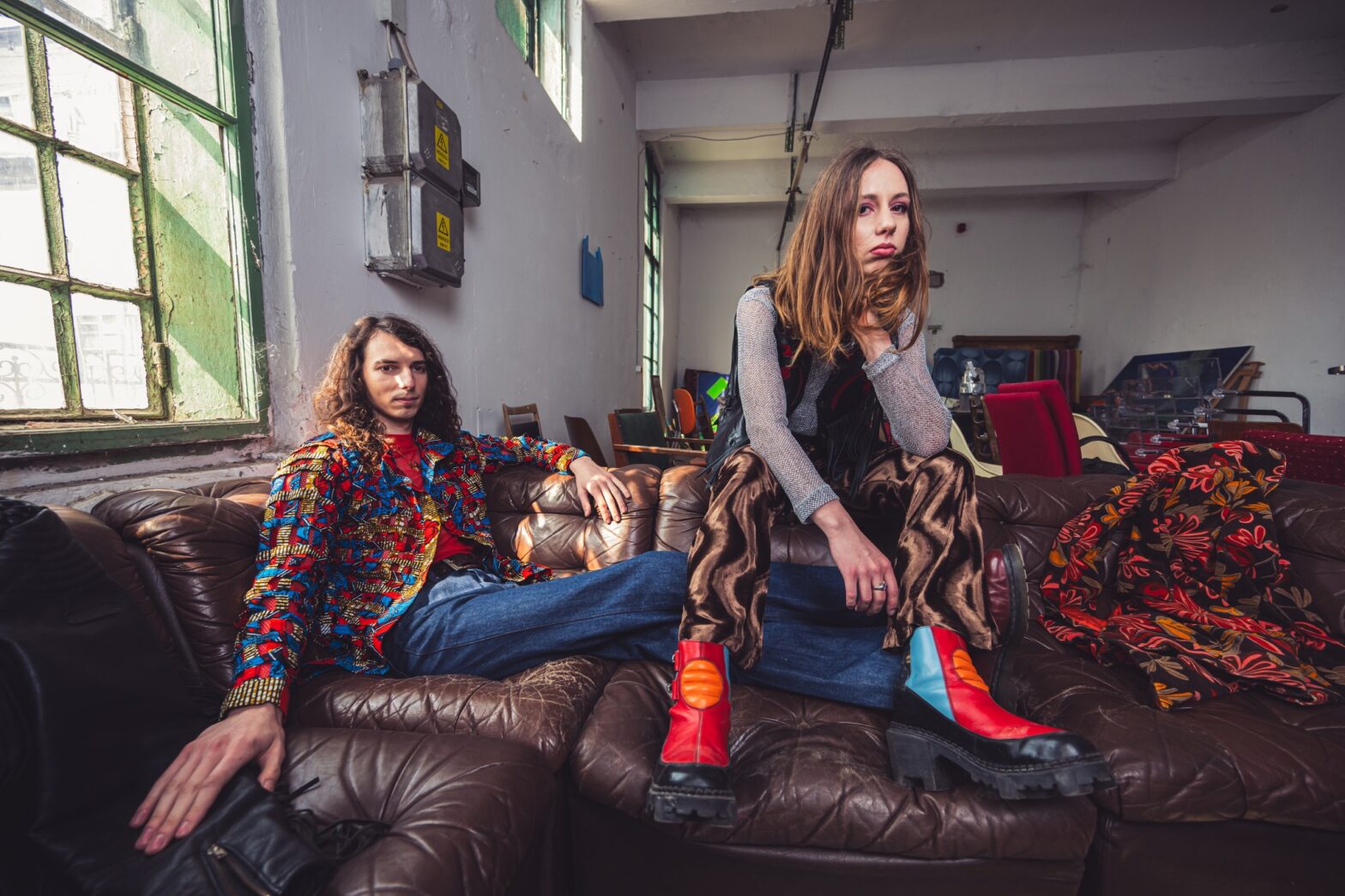
Zdenka Kovačiček: “Umjetnost je opstati s vlastitim kriterijima”

Zdenka Kovačiček otkriva što znači biti ispred svog vremena. Iskreno, hrabro i s puno stila — baš kao i njezina glazba. Pročitajte intervju ove jedinstvene umjetnice koja pamti dane o kojima većina nas danas može samo čitati. I naravno, vidimo se u Močvari, 16.6.!

U jednom od prijašnjih intervjua, spomenuli ste vjeru u karmu i pravdu – možete li opisati konkretan trenutak u kojem ste doživjeli da se nekadašnja nepravda vraća u pozitivnom obliku?
Moja vjera u karmu i pravdu vezana je isključivo uz diskografiju. Zašto je tome tako? Moji su projekti bili ispred svog vremena, a tadašnji Jugoton – danas Croatia Records – nije imao ni instinkt, ni poslovni interes da to prepozna, pa su odbijali svaku moju ponudu.
Posljedica toga jest i činjenica da je album Frka iz 1984. godine danas ostvario gledanost od 23 milijuna na YouTubeu, a oni ga nisu niti reizdali. Danas se reizdanje mog prvog albuma iz 1978. prodaje po visokoj cijeni stranog izdavača.
Nijedan moj jazz-projekt nisu izdali; samo su ga distribuirali, kako ne bi morali uložiti ni kunu, a ipak su na njemu zarađivali. Jedini jazz-dvostruki album Ella i Lela financiralo je Ministarstvo kulture RH.
Sve se to sada vratilo, kad su moji albumi postali visoko cijenjeni na sajmovima vinila.

Rekli ste i da ne prihvaćate lošu glazbu niti priznajete da je novac glazbeni motiv – jeste li ikada osjetili pritisak industrije da prilagodite svoj stil komercijalnoj formi, i kako ste to odbili na način koji je ostavio trajan trag u vašem radu?
Nikada nisam dopustila nikakav pritisak da promijenim svoj osobni stav prema vlastitim idejama i diskografiji, bez obzira na okolnosti – jer tada to ne bih bila ja, već prodana duša.
To je razlog zašto sam radije sama financirala tri albuma, nego pristala na kompromise. Nažalost, i tada su me prilično izigrali jer nisu učinili ništa po pitanju promocije.
Na primjer, moj album na engleskom jeziku bio je prvi takve vrste, ali je prošao potpuno nezapaženo na našem tržištu, iako je na stranim festivalima bio pohvaljen. I dan-danas stoji u nekoj ladici, ali vjerujem da će i za njega doći pravo vrijeme.

Koja je vaša pjesma vama najdraža i zašto?
Ne mogu izdvojiti jednu jedinu pjesmu jer sam pjevala različite žanrove – jazz, rock, pop… U svakom od njih postoji barem jedna meni posebno draga. Frka, Žena za sva vremena, Me and Bobby McGee…

Koji vam se profesionalni rizik najviše isplatio?
U našoj profesiji sve je rizik. Nikada nisam razmišljala na taj način. Rizik je kad vjeruješ u pjesmu, a ona ne ostvari očekivani efekt. Frka je bila veliki rizik – možda upravo onaj koji se najviše isplatio! Znali smo tada da “prelazimo granicu” zbog “guzice” – i evo, nakon 40 godina, došla je na svoje.

U glazbenim žanrovima (a i desetljećima) u kojima dominiraju muškarci na sceni nikada niste koristili ženstvenost kao alat. Možete li podijeliti trenutak kada su vaše vokalne sposobnosti zatvorili usta nekome tko vas je podcijenio na temelju toga što ste žena?
Postojalo je razdoblje kada su žene itekako dominirale rockom – doba Woodstocka, 1969. i 1970., kada je Janis Joplin predvodila aktivistički rock i blues. Žene su tada slale snažne poruke, bile su prisutne u gotovo svakoj grupi – Joan Baez, itd.
S vremenom su žene postale vizualni objekti. Čak je i Tina Turner, iako snažnog vokala, unijela seksipil kao dodatni “začin”. Kod nas je sve to kasnilo. Kasnije je zavladala ekscentričnost poput one kod J.Lo – koja nema veze s glazbom – sve radi privlačenja pažnje masa na primitivnom Balkanu. Danas je to otišlo u neslućene visine.
Ja sam uvijek pokušavala naći ravnotežu – da ne ispadnem iz trenda, a opet ostanem oku ugodna. Nikada nisam osjetila otvorenu diskriminaciju.

FRKA – ZDENKA KOVAČIČEK (1984)

U jednom ste trenutku imali mogućnost karijere u SAD-u, no odlučili ste ostati u Zagrebu. Kada danas pogledate na tu odluku, što je prevagnulo u donošenju iste – emocije, intuicija, okolnosti, hrabrost…?
Moja odluka da se vratim u Zagreb bila je isključivo osobne prirode: raspad braka, stari roditelji, nepovjerenje prema raznim obećanjima, te želja da imam obitelj. Bila sam svjesna da bi za uspješnu svjetsku karijeru morala žrtvovati neke meni najdragocjenije trenutke u životu – i nisam požalila. U tuđini si uvijek stranac.

Je li vam se ikad dogodilo da ste zbog svojih stavova (glazbenih, političkih ili društvenih) platili cijenu – kroz cenzuru, ignoriranje ili isključivanje?
Moji stavovi su, mogu reći, isti od rođenja. Imam čistu savjest i ne mogu biti licemjer. Često kažem što mislim, ali kada je to nepotrebno – radije šutim. Svijet ide dalje, ja ga ne mogu promijeniti, ali se pokušavam prilagoditi. Ignoriranje sam doživjela isključivo zbog nečijeg primitivizma ili nepoznavanja osnova glazbene umjetnosti.

Danas, kad sve može biti „content”, što je za vas i dalje nepodmitljivi kriterij između umjetnosti i puke proizvodnje?
Moj jedini kriterij je dobra glazba i vlastito zadovoljstvo – ono što bi se moglo nazvati “gušt”. Umjetnost je opstati s takvim kriterijima – a meni je to uspjelo zahvaljujući pomoći mojih roditelja, koji su me osigurali za cijeli život. Zato ne znam što je to “puka proizvodnja”.

Da se danas sretnete sa sobom s 20 godina – ne na sceni, nego u tišini sobe – što biste toj djevojci rekli iskreno, bez mitologije, bez distance?
Sebi s 20 godina – s ovim današnjim iskustvom – rekla bih: “Ne vjeruj ljudima. Ima puno zla, pokvarenosti i loših karaktera, čak i među najvećim umjetnicima. Talenat i osobna kultura nisu isto. Takvi te ljudi mogu duboko razočarati.

Postoji li neko sjećanje koje vam se vraća bez obzira na vašu volju – neki kadar, miris, rečenica, trenutak, doživljaj – i ne pušta vas ni nakon desetljeća?
Puno lijepih koncerata i kazališnih predstava – kod nas i širom svijeta – pamtim kao da su se dogodili jučer. Žalim što su prošli. A ljude koji su me razočarali jednostavno brišem s popisa.

Anita Ulovec (Volontiram u Močvari)

Moraines — Čekanju je odzvonilo, budućnost je sad!

U srijedu, 11. lipnja 2025, Močvara postaje mjesto povratka jednog od najzanimljivijih domaćih eksperimentalnih sastava – Moraines. Nakon dugogodišnje stanke i intenzivnog rada na novom materijalu, bend će predstaviti svoj prvi album u 15 godina, praćen impresivnim vizualnim i svjetlosnim showom.

Koji je najčudniji kompliment ili usporedba koje ste čuli o svojoj glazbi? (ili o frizuri?)
Rekli bismo da “naša glazba je poput vođenja ljubavi s nepoznatim bićem iz svemira” dosta visoko kotira na listi čudnih komplimenata :), a najomraženija usporedba nam je kad netko kaže da sviramo metal. Kao… svašta jest, ali metal sam po sebi nikako nije. Ma zapravo, mi smo u višegodišnjim dilemama kako se uopće definirati i s čim usporediti. Lakše nam je pričati o uzorima svakog člana (međusobno poprilično raznolikima) nego doći do konsenzusa o žanru. Neki od nas tu čuju i punk, neki math rock, neki goth rock i opet, nekako, svega toga ima i nema uopće. Na kraju, sve ovisi kako čije uši nešto registriraju i kako mozgovi to što je poslušano povezuju s ranije konzumiranom glazbom, istraživanjem i poznavanjem iste uopće. S frizurama smo isto tu negdje u sličnom kaosu…

Možete li izdvojiti jedan nastup kojeg se vrlo rado sjećate, i obrazložiti zašto vam je baš taj ostao u dobrom sjećanju?
Postave i glazbene faze benda su se kroz godine mijenjale, pa bi bilo najpoštenije spomenuti barem tri nastupa da to sve obuhvatimo, a evo i kratkih važnih razloga uz svaki – Močvara, 2008. – prvi koncert, i odmah smo dobili priliku svirati na eventu s jednima od naših uzora, berlinskim The Oceanom; potom na platou Gradec u sklopu Gričevanja 2014., što je bio naš prvi samostalni koncert i vjerojatno najposjećeniji; i za kraj onaj “povratnički” ili “drugi prvi” nakon skoro 8 godina apstiniranja od pozornice, 2022. opet u Močvari.

Za portal Ravno do dna, nazvali ste svoj proces kreiranja glazbe “bjesomučna improvizacija” te komentirali: “Počnemo s idejom, a onda je pustimo da raste. Nema puno razmišljanja, samo osjećaj”. Jeste li ikada složili pjesmu do kraja pa je “pobrisali” jer je zvučala “poznato”?
Dobro pitanje, i čak moguće da nismo, ili svakako nismo u potpunosti, nego bismo tražili načine kako da “poznate” dijelove pjesama preradimo da postignemo nešto drugo/novo, a istovremeno nekako i ostanemo koliko-toliko u konceptualnoj poveznici s prethodnima.

Što ili koga vi slušate ovih dana?
Vrlo teško za odgovoriti, i ono za što danas znamo da je netko iz benda slušao jučer, sutra vjerojatno više neće biti tako, svi dosta lutamo i šaramo po interesima, posebno danas kad svega ima previše i beskonačno. Nepravedno je u tom smislu baš ono izdvojiti nekoga ili nešto… ajmo samo reći da Pelican ima novi album.

Anima

Nastupali ste s nekim značajnim imenima poput The Ocean, Celeste, Aussitôt Mort, Heaven In Her Arms, Meniscus i Syndrome… Postoji li neko ime koje biste baš jako voljeli vidjeti u nastavku ove liste?
O da, da, da – od još uvijek aktivnih već spomenuti Pelican, potom Mogwai i God Is An Astronaut (usput ubacujemo vrlo razmetljivi hint poštovanim organizatorima – oba benda su kasnije ove godine u Zagrebu, a mi smo slobodni ;)), a ako vrijedi spomenuti i neaktivne, neki od nas u bendu bi slobodno mogli i umrijeti nakon dijeljenja pozornice s, primjerice, Isisom, Neurosisom i Junom (za ovo nitko ne zna, a ako ipak da, pišemo vam peticu za scene cred, javite se za gratis ploču Morainesa :)).

Biste li razmotrili suradnju s bendovima ili umjetnicima iz neke od inozemnih scena koje ste upoznali – i ako da, underground glazbe koje zemlje vam je zanimljiv/cool/privlačan?
Naravno, samo u današnje doba, kad i u jednoj Hrvatskoj postoji bend poput nas, vjerojatno više nije ni važno čija je i odakle je scena, ljudi dobro briju svoje priče u svim dijelovima svijeta. A evo, neki ziheraški odgovor bi bio, pa naravno, SAD, većina glazbe na kojoj smo odrasli ipak je potekla otamo, i očito da postoje vrlo snažni razlozi zašto su nam onaj konačni zvuk albuma oblikovali Amerikanci a ne Hrvati ili neki drugi. A ako ćemo baš o undergroundu, europske zemlje su tu i dalje na tronu, Njemačka i Francuska su neiscrpno vrelo svega što poželiš, a i mnogi drugi su na toj razini.

Da imate priliku organizirati hrvatski post-rock, post-metal showcase u inozemstvu – koga biste poveli sobom i zašto?
Toliko nas je danas malo ostalo da, ako bismo se uopće uspjeli dogovoriti, stali bismo svi vjerojatno u manje od dva kombija. Recimo, našu braću iz Emphasisa (Čakovec), s kojima smo vjerojatno imali najviše zajedničkih gigova kroz godine, a za bolji balans bilo bi super povesti i math rock veterane Peach Pit. A da su ovo neka prošla vremena, kada je ta scena kod nas bila najživlja, vodili bismo i pokojne Lunar, Radio Free Isaac, Don’t Mess With Texas, Stormse…

Zamislite da pred vama stoje slušatelji koji vas još nisu imali prilike poslušati/streamati, a vi imate opciju odsvirati im samo jednu stvar sa zadnjeg albuma. Što birate?
Uf, opet teško pitanje na koje bi sasvim moguće svatko iz benda imao svoj odgovor, i iz kojeg bi nastala nova mučna bendovska rasprava. Nekako oprezno i objektivno se možda da zaključiti da je upravo prva stvar s albuma, Anima, nekakav sukus zvukovlja koje slijedi iza nje – tiho, sporo, lagano, glasno, distorzirano, furiozno, dinamično… Ta stvar ima možda i najbolji balans svega u jednom i moguće da u konačnici, na snimci, ima i najveću čaroliju od svih. A kroz godine smo je zapravo najrjeđe izvodili uživo.

Pet godina pisanja, četiri godine snimanja, pet godina miksa i mastera, te godina rada na vizualu”. Samo jedna večer u Močvari, odakle je sve krenulo. Što nam spremate za 11. lipnja?
Spremamo još jedno feniksovsko dizanje iz pepela, po tko zna koji put u osamnaest godina života ovog benda, a u paketu s time i, nadamo se, najitenzivnije zvučno i vizualno pojavljivanje do sada, skoro sat vremena non-stop muzike uz bogati light show. I ne bi bilo u redu na kraju ne spomenuti i druge bendove, koji su jednako važan dio te večeri, Mass Culture iz Atene i zagrebački Prisonplanet. Grci su na europskoj turneji, domaćima je ovo tek drugi koncert, a mi smo evo tu negdje između, s prvim albumom u 15 godina 🙂 Vidimo se, bit će to jedna skroz dobra močvarna srijeda!

Anita Ulovec (Volontiram u Močari)