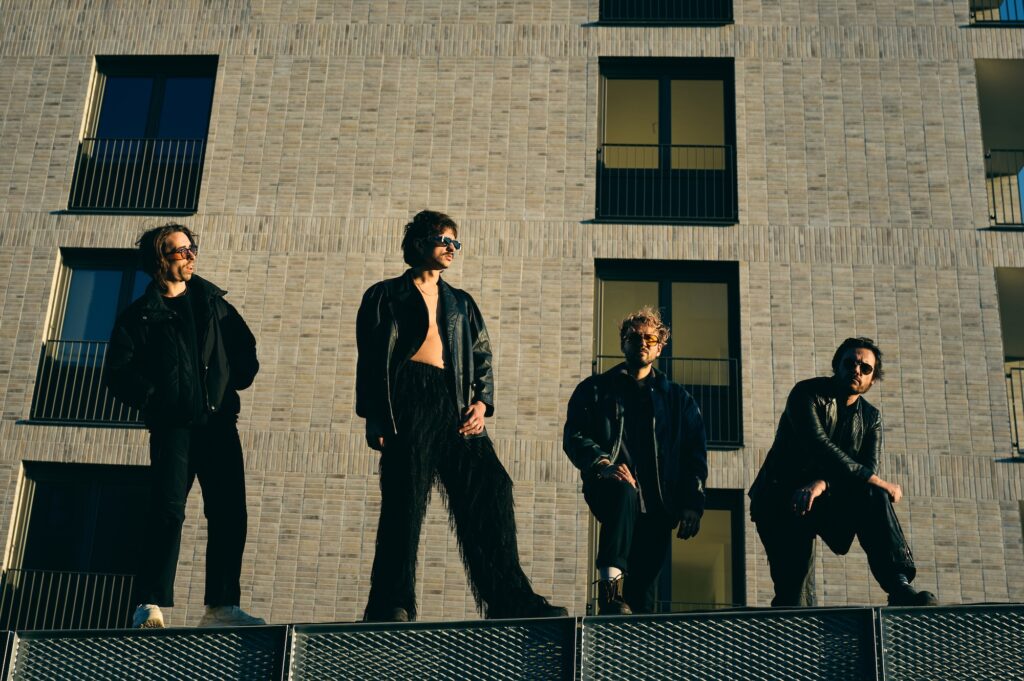
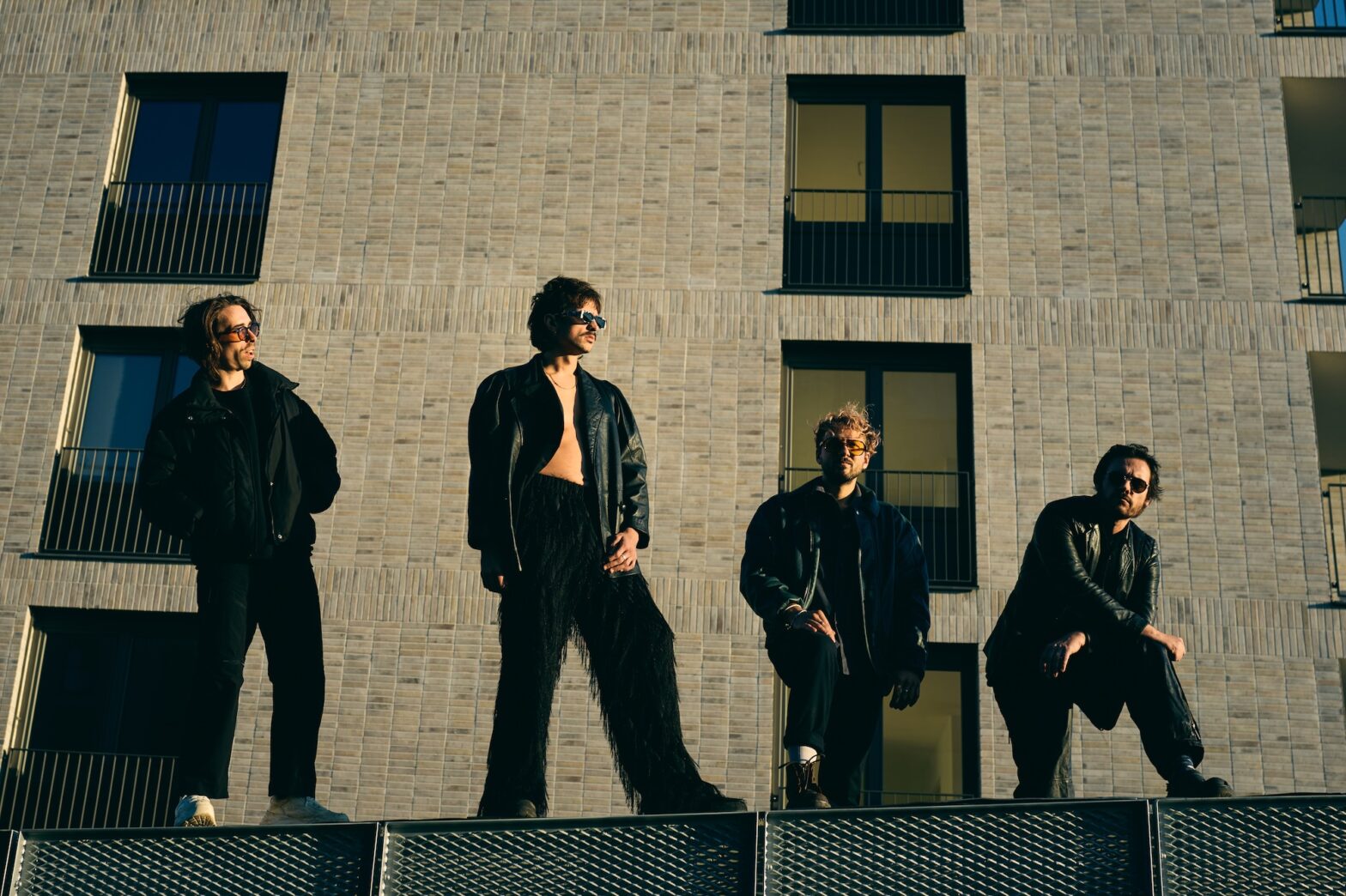
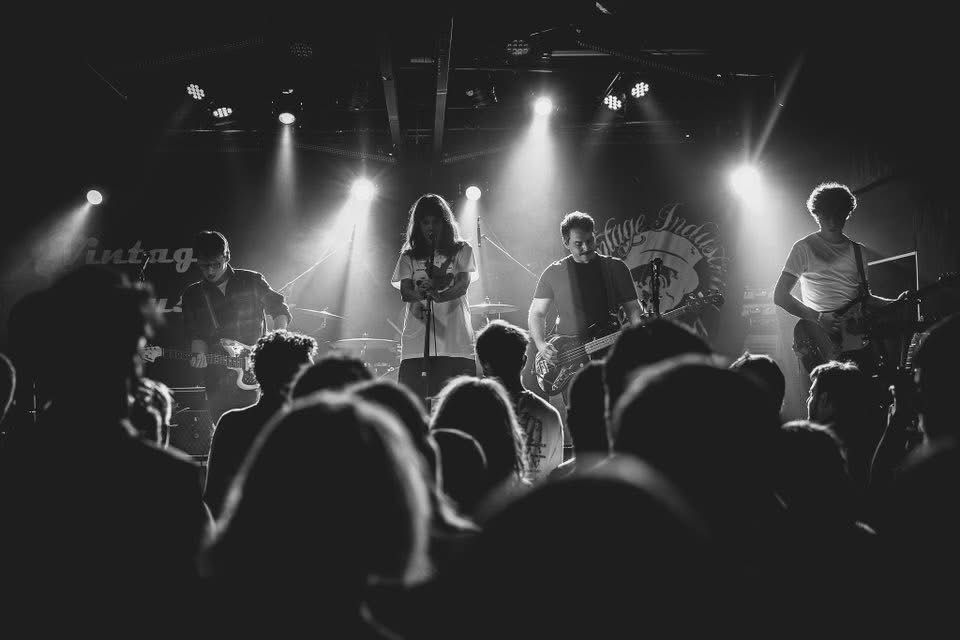
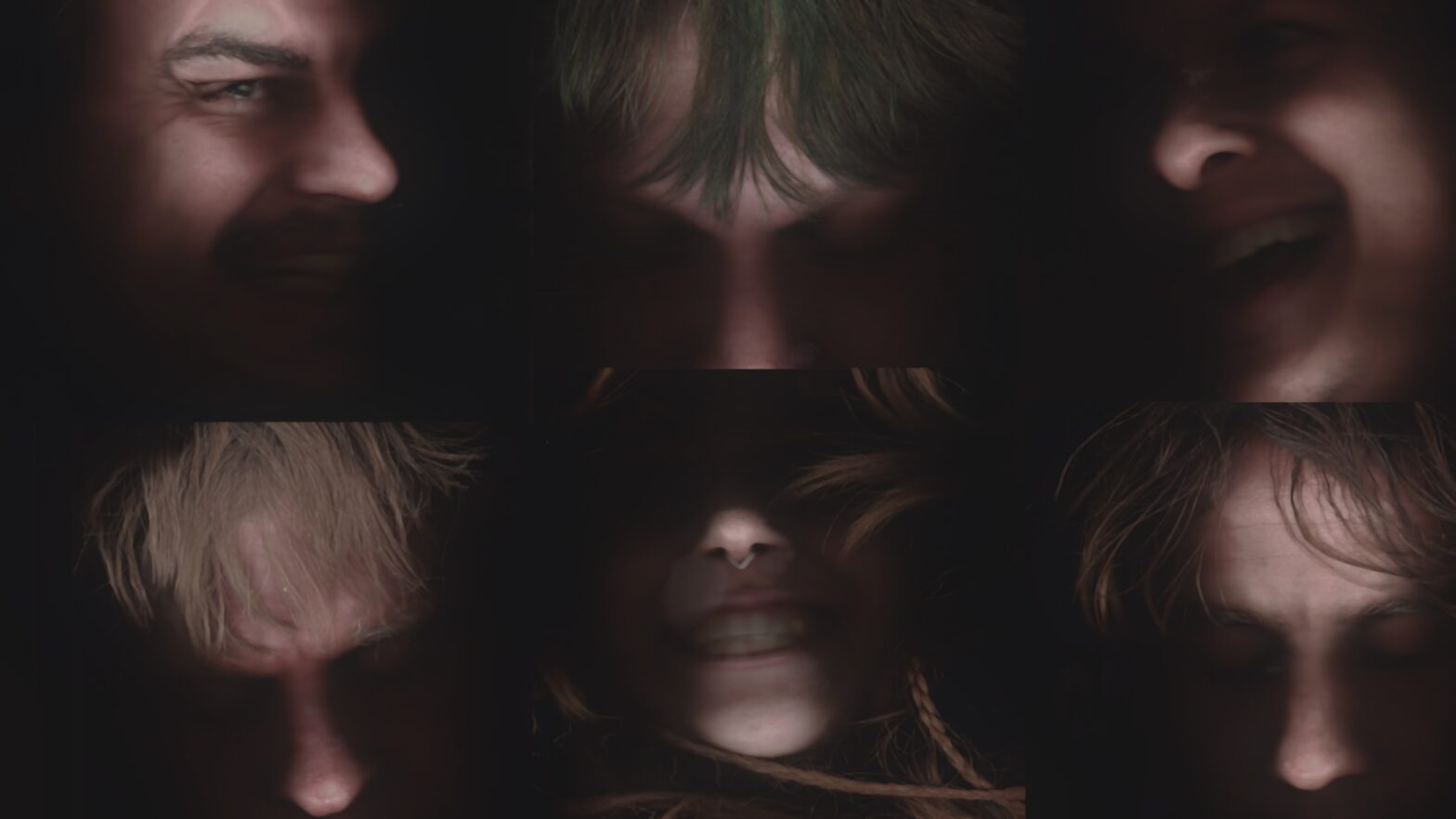
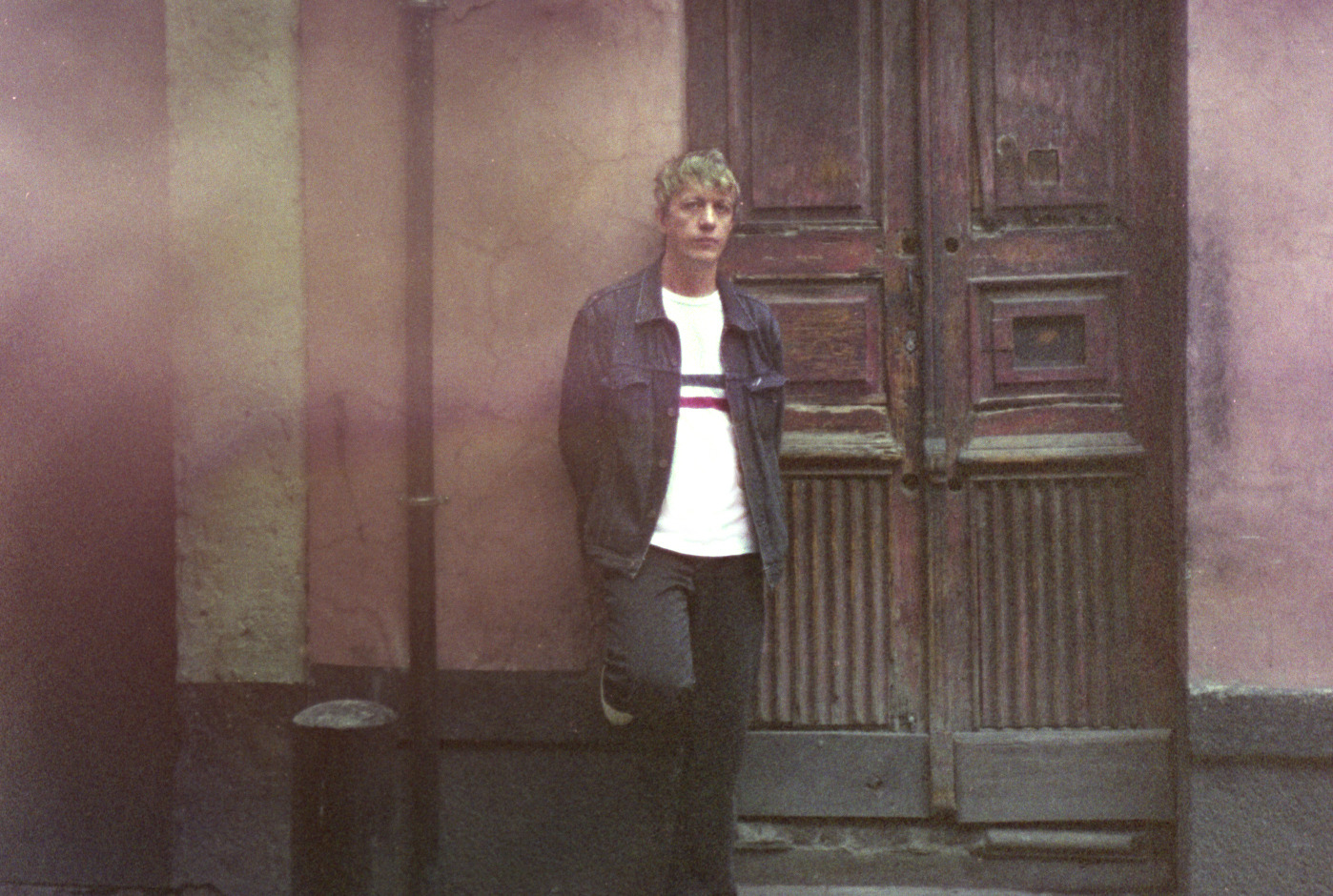
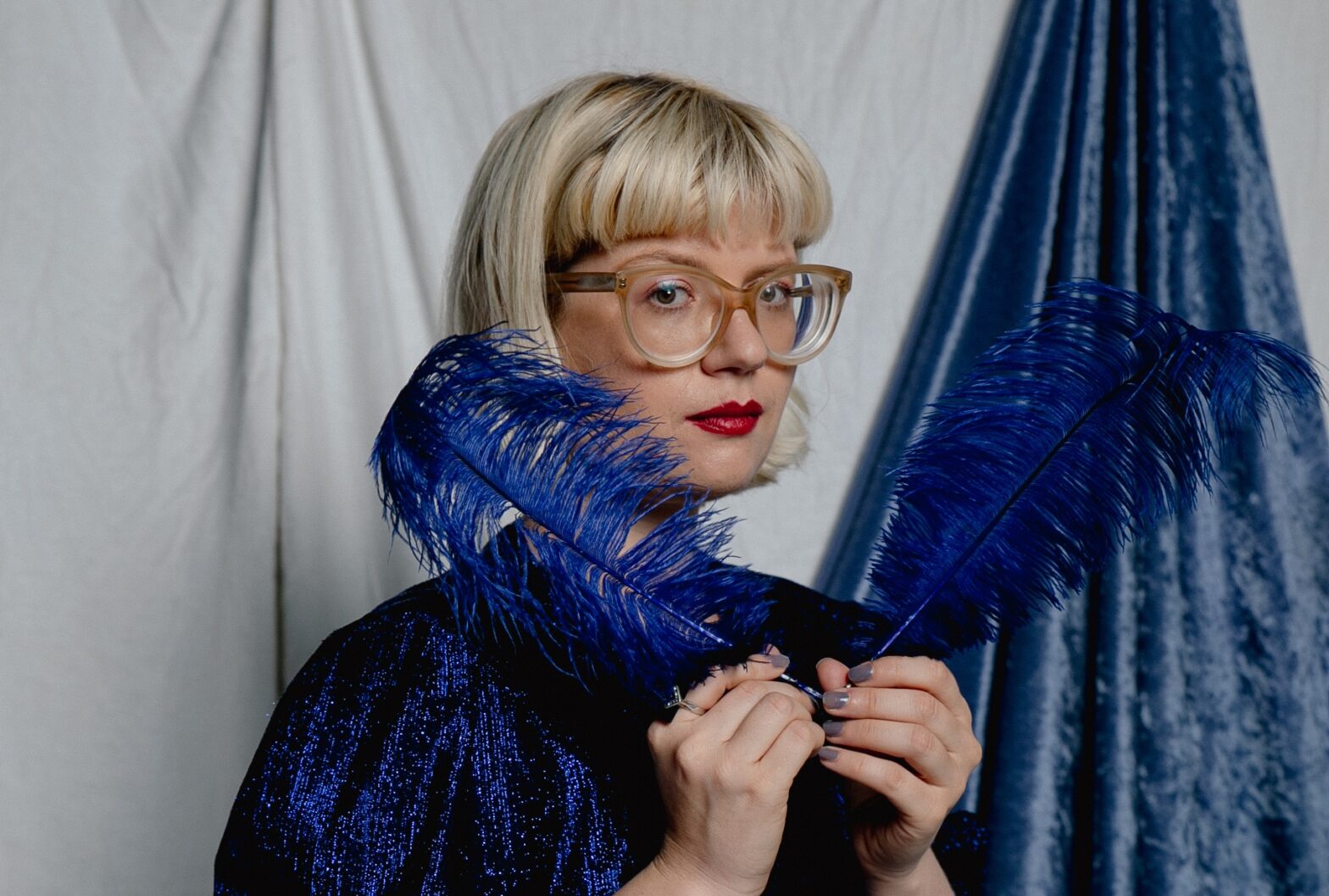
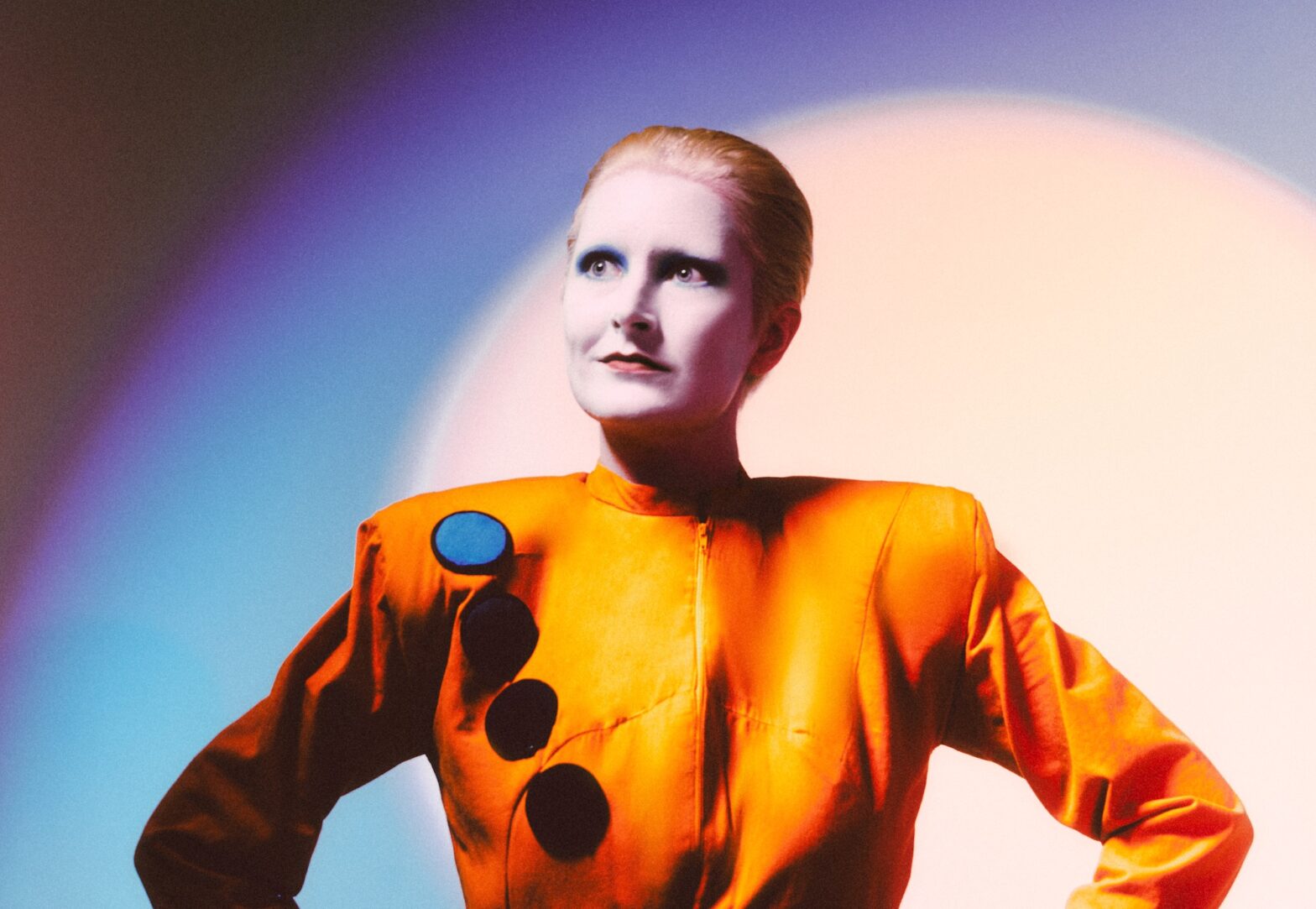
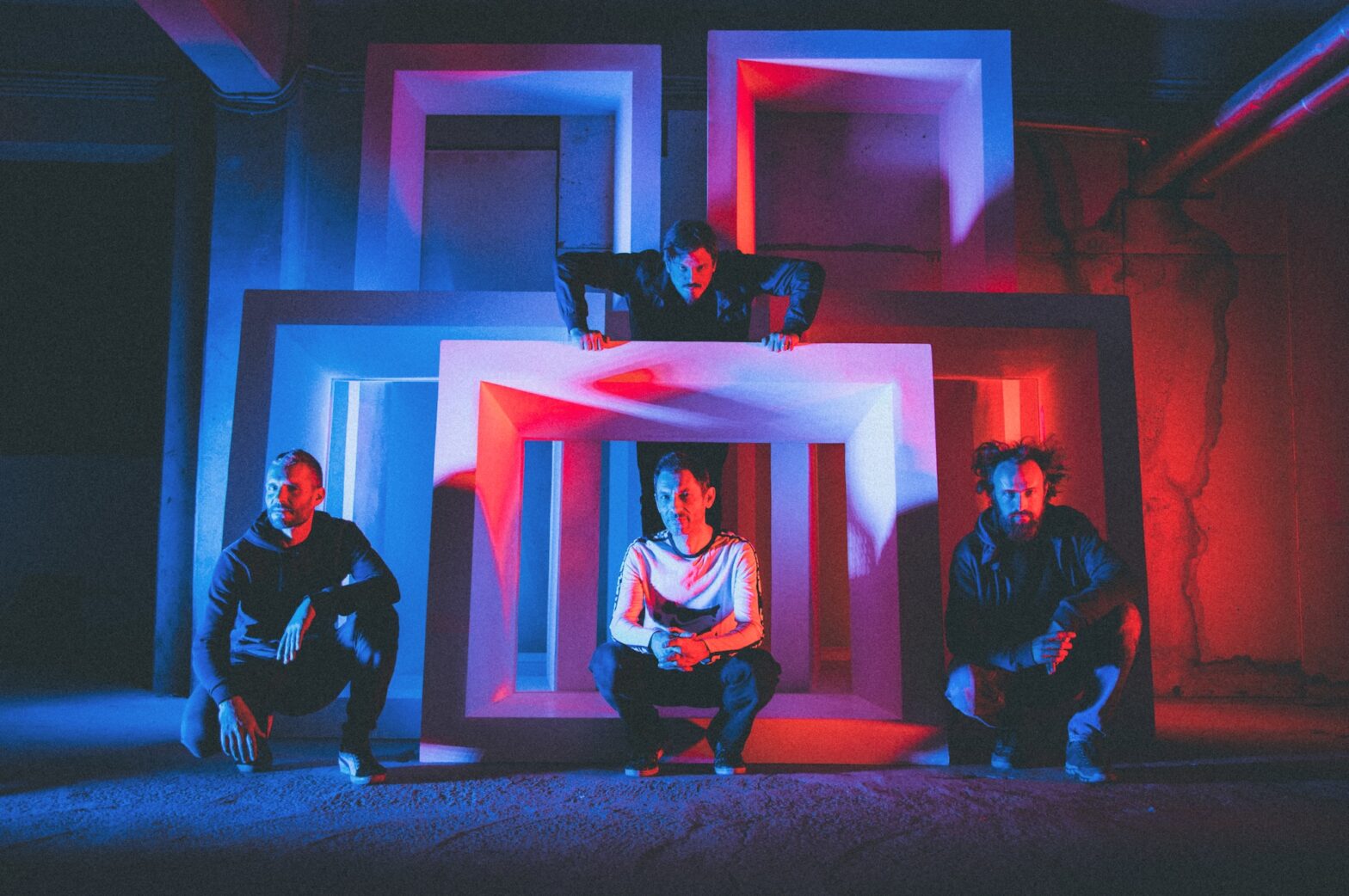
Slovenski bend MRFY već neko vrijeme puni koncertne prostore diljem regije svojom glazbom, energijom, humorom i zaraznim nastupima. Uoči novog zagrebačkog nastupa razgovarali smo s bendom o tome kako je biti u braku s 4 ljudi, Crocsicama i svemu što leti prema pozornici.
Kaže se kako se iz grešaka najbolje uči. Kako bismo malo pomogli mladim bendovima koji žele biti cool i uspješni kao vi, možete li podijeliti jeste li napravili neke greške na početku svoje karijere koje ne biste ponovili danas jer imate više iskustva i znanja? Jos uvijek pravimo greške. Moraš ih puno puta napraviti kako bi nešto naučio. Biti u bendu je kao brak s 4 ili više ljudi. Stalno se događa nešto, ali dok se volimo i dok sviramo k’o ludi – bit će sve ok!
Nastupali ste na nekim regionalnim, ali i europskim festivalima koji promoviraju mlade glazbenike. Jesu li vam ti nastupi zaista pomogli i kako? Pomogli su nam toliko da možemo reći kako smo smo svirali izvan Slovenije. Na zapadu se odvija kritična borba između stotine bendova u kojoj je teško pobijediti. Ex Yu regija nam se sada najviše otvorila tako da pratimo taj hype. Cilj nam je svirati što više na nepoznatim mjestima na kojima još nismo bili.
Postoje stereotipi o tome da su umjetnici uvijek i u svakom trenutku kretivni i smišljaju nove stvari. Imate li nekada glazbene/inspiracijske krize i kako ih rješavate? Dosta je takvih situacija. Ima trenutnih i ima generalnih kriza. Za nas i našu kreativu je najbolje da se zajebavamo i da nismo previše ozbiljni. Tako onda ideje imaju slobodu šetati gdje i kamo požele. Onda su i pjesme lagane i više davaju nego oduzimaju.
Kako je došlo do vaše suradnje s Crocsom? Mi smo ti perfektan bend za Crocs. Malo smo trash, ali smo udobni i simpatični. Ova suradnja se jednostavno morala dogoditi.
Jedno aktualno pitanje s obzirom na nedavne predmete koji su pogodili neke poznate glazbenike tijekom performansa. Bacaju li vam obožavatelji stvari na pozornicu i što vam je sve do sada doletjelo? Svašta nam je doletjelo. I dobre i loše stvari. Došle su i petarde i rakete, boce, plastične čaše, pizza, ruže, cvijeće, plišani medvjedići i, naravno, grudnjaci.
Ružno Pače x MRFY – Latice Ovenule
S obzirom na to da veliki dio Slovenaca ljeti migrira na Jadran, biste li bili zainteresirani za neku kratku ljetnu turneju koja bi popratila ta kretanja? Da! Hoćete li nam vi nešto isplanirati? Prvo Krk Njivice pa onda dalje.
Punite sportske domove, velike koncertne dvorane, male klubove, trgove i čini se da, bez obzira na prostor, publici dajete jednaku količinu energije. Postoji li neki prostor/koncert koji je nadmašio/razočarao vaša očekivanja (organizacija, publika, mentorstvo, atmosfera, ozvučenje…) u bilo kojem smislu i zašto? U Sloveniji nastupamo na najvećim pozornicama. Teško se dogodi da je neka svirka jako loša. Gdje god sviramo u Ljubljani uvijek je barem 9/10. Škofja Loka je prošle godine bila luda. Pa i u Zagrebu smo već razvalili. Ponekad nas netko razočara, ali mi smo profesionalci pa plačemo tek kada dođemo kući.
Imam dojam da kulturna scena cvijeta i u Sloveniji i Hrvatskoj u zadnjih nekoliko godina te da je koncerata više nego ikada. Slažete li se s tom tvrdnjom i, prema vašem mišljenju, što je uzrok tome? Da. Ne znam točno za Hrvatsku, ali u Sloveniji se dogodio novi val između i nakon Corone. To je onaj virus, ako ga se još uvijek sjećate. Bilo je nas 3-4 benda, spremni napraviti ludnicu. I kad se počelo sve lagano otvarati – uslijedile su dvije godine ludila. Sad su opet drugačija vremena, ali još uvijek rastemo i pravimo stvari koje nam se sviđaju. Scena je sad jaka i nadam se da će biti i jača. Zavisi od sezone.
S obzirom na vašu sklonost eksperimentiranju, ima li nešto za što ste rekli “e to nećemo nikada” – primjerice neka suradnja, žanr u koji nipošto ne želite kročiti itd. Čisto da zabilježimo to kao podsjetnik ovdje u slučaju da se jednog dana predomislite? Mislim da nikada nismo rekli za nešto da nećemo. Sad naši fanovi već očekuju da će od nas dobiti svaki put nešto drugačije i novo. Nama je to isto super jer trebamo stalno biti inspiriani i radit fresh stvari. Sve prolazi dok se zajebavamo i dok nam je svima dobro.
Što nam spremate za Močvaru? Pripremamo klasičnu razpaljotku 3 grupe. Prvo Dram, zatim mi, a na kraju RotorMotor party 150+ bpm do 4 ujutro. Prošli petak smo imali prvu svirku nakon 2 mjeseca pa smo razvalili do kraja. Bili smo tight kao nikada. Predosjećamo da ćemo svirati na svjetskom nivou.
S novim albumom “Sve isto kao svaki put do sad” bend Tidal Pull ulazi u novu fazu, ali bez odmicanja od, sada već prepoznatljivog, identiteta. U razgovoru uoči koncerta u Močvari 29. 4. 2026. otkrivaju kako je nastao njihov najintuitivniji materijal dosad i što se sve promijenilo, a što je ostalo isto.
Novi album ste sami nazvali najintuitivnijim i najimpulzivnijim. Što ste konkretno morali prestati kontrolirati – ili početi raditi drukčije – da bi takav album nastao? U principu smo istovremeno pustili jedan set kočnica, a stisnuli drugi. Odlučili smo napraviti što više stvari “from the hip”, uz čim jednostavniju baznu strukturu, progresije i melodije. S druge strane, pred sam kraj pisanja albuma morali smo stisnuti kočnice jer se neke stvari koje su nam dolazile nisu slagale s konceptom albuma – bile su ili previše “promišljene”, komplicirane i slično. U principu za tako nešto ne treba baš puno truda ili rada, samo je potrebno poznavati sebe i svoj rad.
Naslov albuma “Sve isto kao svaki put do sad” zvuči rezignirano, ali i duhovito. Što ste htjeli reći ovim naslovom? Prije svega – volimo aliteraciju! Imali smo nekoliko promjena, što u lajnapu, tako i u osobi koja je miksala album (ovaj put Andrej Mladenović) i osobi koja nam je radila vizuale. Petra Divković je radila prva dva albuma, a Sara Dumančić treći. U principu smo htjeli, uz to da se malo našalimo sami sa sobom, nekako spojiti te dvije faze benda. Koliko god se svašta promijenilo, mi se osjećamo slično i nemamo osjećaj da se, bar što se tiče našeg rada i kreative, išta izgubilo ovih godina.
Bend je prošao razne promjene, ali tvrdite da se odnos prema bendu nije promijenio. Što je ostalo isto, a što se nepovratno promijenilo? Donekle smo odgovorili u prošlom pitanju, ali isti je većinom ostao naš osjećaj prema ovome što radimo i filozofija prema glazbi koju stvaramo. Sve je i dalje ozbiljno na nekoj najosnovnijoj razini, al opet ne fali zajebancije. Dosta se bojimo da se ne počnemo shvaćati preozbiljno. Radimo dok god nam je fun i dok se ne osjećamo da idemo glavom kroz zid. Naravno da smo svjesni da se nešto u svemu tome ipak promijenilo – bend čine ljudi s različitim osobnostima, navikama, stilovima i glazbenim ukusima. Mislim da smo počeli zvučati dosta “zrelije”… Ne mislimo to nužno kao pohvalu, ali osjetimo tu promjenu na sebi.
Kad bend promijeni glas, publika često prvo sluša usporedbe. Jeste li morali ignorirati očekivanja drugih da biste mogli normalno nastaviti raditi? Mislim da nismo dovoljno velik bend da ovakve stvari imaju dalekosežnije posljedice. Usporedbi je sigurno bilo, ali mi ih baš nismo čuli. Možda nas se ljudi boje 🙂
Tidal Pull – Ne, hvala (možda drugi put)
U kratko vrijeme dobili ste pohvale kritike, nominacije i status benda koji “treba pratiti”. Je li takav narativ više poticaj ili teret? Nama je bio samo poticaj. Ako ikad osjećamo neki pritisak, to je uvijek samonametnuto. Previše živciramo sami sebe oko nekih stvari, al to je opet dvosjekli mač (ili druga strana medalje?) – možda bismo bez takvog pristupa bili lošiji bend.
Koje glazbene medije vi pratite – domaće ili strane – i zbog čega im se vraćate? Imate li osjećaj da glazbeni mediji danas još mogu pogurati bend ili se sve seli na algoritme i publiku uživo? Osobno od stranih najviše čitam A.V. Club i Quietus. New Yorker ima odličnu rubriku o (pop)kulturi. Od domaćih…Kod terapije volim tešku diy filozofiju. RIP potlista.
Osim koncerata, koristite li neke načine širenja publike ili održavanja odnosa s postojećim fanovima koji nisu klasični bendovski modeli? U početku smo bili nešto kreativniji, ali zadnjih smo godina vrlo tradicionalni što se tih stvari tiče. Volimo misliti da smo prilično susretljivi, a ljudi nam prilaze na gigovima, u prolazu, na blagajnama Interspara…Onda valjda i jesmo 🙂
Kad danas slažete setlistu od tri albuma, koje su pjesme postale neizbježne – iako ih vi možda više ne doživljavate isto kao kad ste ih napisali? Imamo sreću da još nismo zamrzili nijednu stvar koju smo napisali. Tekstovi nam uglavnom ne ciljaju specifične ljude ili situacije pa se nije događalo da se zbog nekoga/nečega moramo udaljiti od bilo koje pjesme. U fazi drugog albuma smo bili nešto “tvrdokorniji” što se tiče setlista i često svirali isključivo stvari koje su nam se svirale. U zadnjih smo se godinu dana smekšali pa pokušavamo uvrstiti sve “hitove” i stvari koje ljudi bolje znaju. Čisto da svi odu doma zadovoljni.
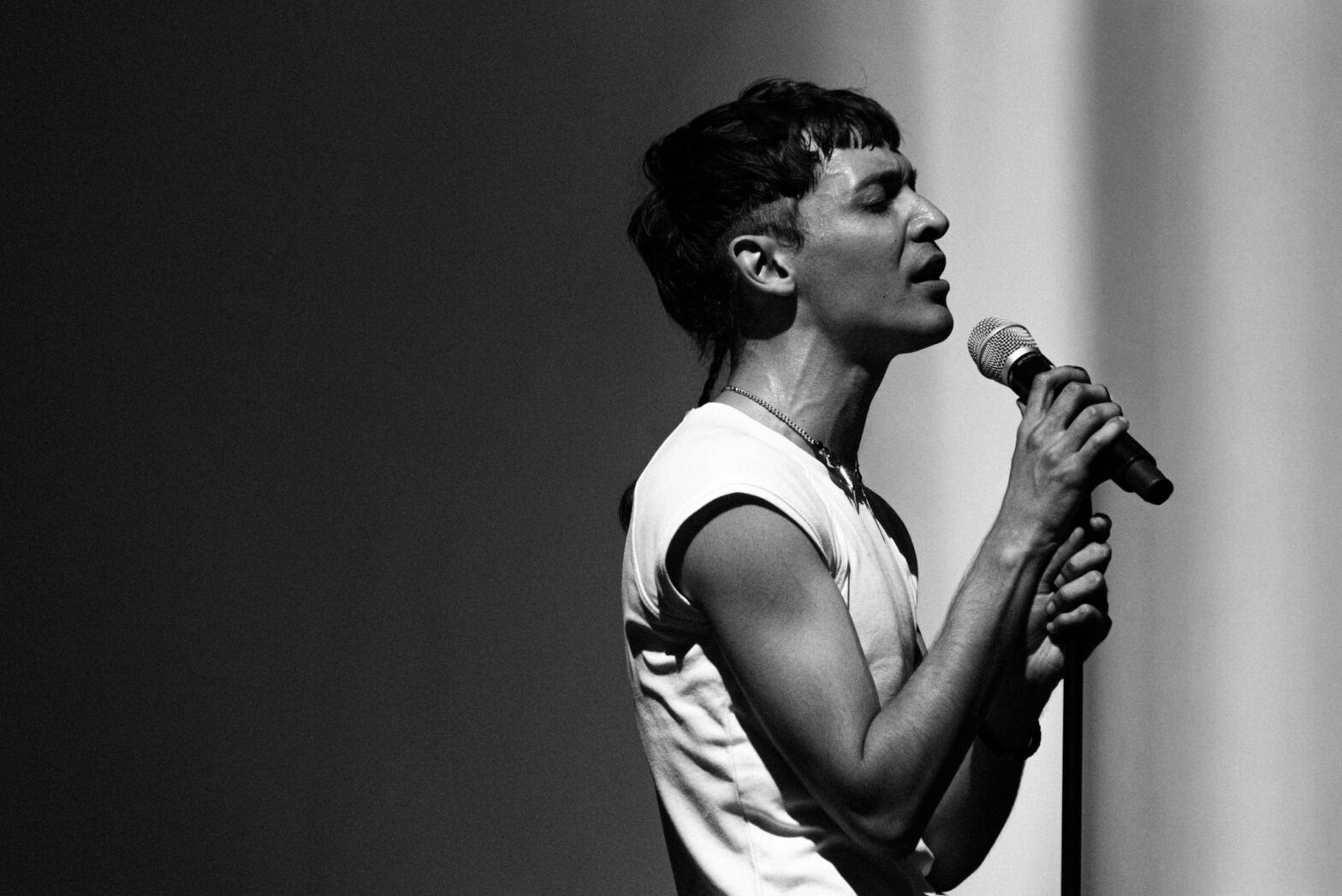
Razgovarala: Anita Ulovec (Volontiram u Močvari) Odgovarao: Ivan Blažinović Fotografija: Filip Kovačević
Swedish experimental trio Den Der Hale arrives at Močvara on April 27th. Ahead of their show, we spoke with them about touring, curiosity, custom-built instruments, and turning noise into something new.
You’ve experimented with custom-built instruments and unconventional recording techniques. How were those ideas even born? It always starts out by being an experiment, springing from sheer curiosity. The sounds these experiments emit creates a guiding hand in our song writing process. It’s also a nice, clean, tactile hobby.
Due to lack of money and the exorbitant price of musical equipment it has always made more sense to us to build them ourselves. There may be flaws and weird noises but those should be embraced.
Pastoral Light has this nature theme, but the sound itself seems distorted and processed. Was that contrast something you were going for, or did it just happen? A lot of the process behind Pastoral Light revolved around the interplay of nature and industry, metal and wood. This was reflected in the use of electronic sounds, the use of metal plates, traditional rock instrumentation, and the natural timbres of acoustic instruments. The album became an intuitive extension of the lyrical themes surrounding natural forces, seen and unseen.
The first record and Pastoral Light feel connected, but also different somehow: what changed for you between those two? During Pastoral Light, we wanted to explore the use of textures to a larger extent than we had done during Harsyra. We became more focused on the shapes and textures of the sound rather than the melodic content. Sometimes a melodic line can act restrictive on the ability to intuitively ride different musical dynamics. As we developed as a band this was in line with wanting to become more cohesive live, and creating large movements through the use of volume alone.
Thinking back to when you first started playing together, what’s something you believed about the band back then that you’ve completely changed your mind about? Probably the idea that there’s an inherent quality about a certain group of people playing music together and that any other constellation wouldn’t be conducive to creating the same sound. After having gone through line up changes and collaborated with other bands (in particular Tren Né, which Mattias and Philip are also members of) we have found that shared music is good music. Having new perspectives on the writing process and being able to work with different people can really act as a fast-track to musical development.
When people interpret your music in ways you didn’t expect at all do you like that, or does it ever feel like they missed the point? Sometimes it can be pretty surprising being interpreted in ways you never would have thought of. However, any time an artist uses overt symbolism that is too easily interpreted and on the nose it feels like an infantilization of the audience. Art is a collaboration between performer and audience so trying to control peoples’ interpretations of music feels like a vain endeavor.
Den Der Hale – Full Performance (Live on KEXP)
If someone who’s never heard you before asks “what should I listen for?” – what would you tell them to pay attention to? Being on the perceiving end of music and art without a carved out receptive pathway can be among the most freeing ways to interpret and feel into someone else’s work as it gives you the space to co-create through free association.
We’d like to give them as much freedom to feel and interpret in a way that flows organically for whomever chooses to listen without us choosing it for them.
Have you noticed differences in how audiences in smaller or less central touring cities respond compared to major cultural hubs? Did anything surprise you? What we have usually noticed is that in smaller towns the crowd tends to be more mixed age-wise, and that the musical event can feel more ‘important’ than it would have in a larger hub. Same goes for shows with a lesser crowd, the connection can feel more personal and deep when you’re only one of a few people to have seen a show you really like. This is just some general statements and doesn’t exactly reflect all situations.
There’s also the aspect of keeping a music scene alive and thriving. It requires effort by participation. People who live in bigger cities are usually more spoiled with what their city has to offer in terms of cultural happenings.
Can you recall a specific connection, whether with another band, a promoter, or an audience, that only happened because you were touring internationally? We’ve had the privilege to cross paths with some incredible and inspiring people and audiences along the way, oftentimes through very fleeting moments, but other times moments that have lingered and developed into great friendships. Shoutout to Matías Acuña, Ania Fichera and Alex Carlevaris.
Touring across Europe is often idealised as freedom and discovery but what has actually been the most difficult part of moving your music across borders? A sharp and dividing line has been drawn out between us and the Royal Princess of Orange as her emergence brought our recent show in Amsterdam to an early end. Oftentimes difficulty and discovery seem to intertwine in quite interesting ways. We do our best to embrace whatever appears and disappears before us.
For someone coming to see you for the first time in Zagreb: what should they expect, or maybe not expect? Expect nothing, worship everything.
Ahead of his first show in Zagreb, we spoke with Steve Gunn about his recent residency in Latvia, the role of collaboration, and his ongoing search for a more open, intuitive approach to songwriting.
I’d love to start with your residency in Latvia, which seems central to Music for Writers: what drew you to doing a residency in the first place, and how did that experience shape the way you worked? My desire to do a residency somewhere new came from wanting to immerse myself in a different landscape and see where that might take me musically. Latvia interested me right away, and it ended up becoming central to Music for Writers. It was my first residency, based in Sabile, with access to a recording studio. I was excited to be in an environment that encouraged both focus and immersion in nature, and I wanted the music to directly reflect that experience. The structure of the residency aligned closely with what I had in mind, which led me to apply. I experienced a full seasonal shift while I was there—lots of walking, reflection, and getting to know the culture and landscape. I’m very grateful to artist Ojars Feldbergs for creating that space within his sculpture park, Pedvale.
You’ve collaborated with a wide range of artists. Is there something collaboration has taught you that you couldn’t have learned working solo? I think collaboration has taught me to listen more deeply and let go of certain fears around improvisation. There’s a kind of language exchange that happens in collaborative music, and being open to that can be rewarding in a myriad of ways. Of course, it depends on finding the right people.
What still excites your curiosity as a musician these days and are there any sounds or ideas you feel like you’re still chasing? I’m always open to taking risks musically, even if it leads somewhere awkward—there’s usually something to learn from that. I’m not drawn to perfection or virtuosity, and being open has led to most of what I come up with. A lot of the time I end up in places musically that I didn’t intend, and that’s part of what keeps it engaging for me.
Steve Gunn: NPR Music Tiny Desk Concert
What’s the most useful mistake you’ve made in your career – something that changed the way you work or think about music? One of the most useful mistakes I made was trying to meet external expectations with my music, and eventually learning to let that go. That mindset can be really draining. Letting things unfold more naturally changed a lot for me. At the same time, I try to stay grounded in simply playing every day and staying connected to the instrument—even if it’s not feeling right or pushing beyond any understanding.
You’ve mentioned wanting to keep your songs from becoming too personal, but at the same time, any kind of art involves exposing something of yourself. How do you navigate that tension? And has that boundary ever shifted for you over time? My main interest in songwriting is reaching for something more universal, rather than focusing on my personal story. I don’t feel a strong need to center the “me/mine” in that way. That boundary has shifted over time, and I’ve grown more comfortable working in abstraction—finding another way, or what some might call a “third way.” The songs are still reflective, of course, but I want to leave space for listeners to find their own meaning in them, without me being too fixed in the center. There is freedom in that.
When you look back at your records now, is there one that feels like a turning point for you – where something shifted? I think Daylight Daylight feels like a turning point in my songwriting. I felt very open while making it, and working with James Elkington helped give the record a natural shape. It didn’t feel rushed or forced, and I wasn’t overly focused on the outcome. Because of that, the final result felt almost surprising to me—like something new had emerged from that process.
Is there something specific that makes a room feel “right” for your kind of music, even if you’ve never been there before? Connection is the most important thing. Listening is important too. I can usually sense whether I have the audience’s attention—it’s very palpable from the stage. When that connection is there, I feel more comfortable letting go and seeing where the music leads.
Have you ever been in “our” part of Europe and what kind of show are you hoping to build for the night at Močvara? It’ll be my first time, and I’m really looking forward to being there—I’ve wanted to visit for a long time. For the show, I’ll be playing a mix of old and new songs, along with some more spontaneous elements. I’m hoping it all comes together in a way that connects with people. And I always really appreciate when people make the effort to come out and listen.
In a world shaped by conflict, technology, and shifting truths, Mary’s work blends music with sharp political and social reflection. In this interview, she reflects on art as both reaction and responsibility, the ideas influencing her work, and how global realities continue to shape her sound. Come check her out in concert — Wednesday 1.4.2026.
Your music often carries political and social commentary: do you see art more as a responsibility or a reaction? I think it’s a mixture of the two. Naturally, writing is a reaction to the world around us, but there is also an element of engaging with it, in hope to affect it, to connect, unite the like-minded. With nearly every aspect of life affected by the wars sprawling and spreading from all the countries I am connected to, aggressive new forms of state propaganda and restrictions on expression, access to information, and to some extent even thinking itself in every country that I visit (with self inflicted censorship, fear, peer pressure) it is increasingly impossible to write about anything else.
What non-musical influences (books, philosophy, visual art) shape your ideas the most? Let’s see.. in recent years I was captivated by the writing of Ray Kurzweil, whose views I also find unrealistically optimistic, yet very interesting – coming from the perspective of a very privileged man, disconnected from the reality of the majority of the world’s population. He believes that humanity will prosper with every new technology, merge with it, become better with it. He’s one of the most prominent supporters of Transhumanism, an odd ideology, if not religion that many Silicon Valley men have adopted since. With megalomaniac power hungry visions of extending (their) human life, preserving their legacies. It’s pretty terrifying and fascinating. And the scary part is that it’s no longer science fiction. He also developed a very interesting theory of rights for incorporeal beings – for artificial entities to have legal rights similar to corporations – and all of this was imagined already over twenty years ago(!). I find it hard to believe that those in power will allow for technology to be used to create a more fair, equal society, ATM it seems that most societies are heading towards less equality, and a wider gap between the super rich and the very poor, there’s just too many wealthy men who enjoy their special privileges and will do everything in their (big) power to prevent from losing these privileges Then there’s Yanis Varuofakis’ Technofeudalism, which is a leftist analysis on recent advances on economy and power, from a slightly more socially conscious individual – who despite now being quite wealthy and powerful – comes from a socialist background. It’s particularly enjoyable to read in parallel with Adam Smith’s Wealth of Nations – to see how societies’ economic structures evolved over the last 300 years. I’ve been reading that one for… 2 years now? Another 600 or so pages to go.
Looking at Approaching Singularity: Music for The End of Time, what does “the end of time” mean to you personally or culturally? You can read it however you like. It could be a literal end of life in the way that Karl Jaspers’ The Future of Mankind described it (written leading to the cold war scare and its very real nuclear threat). It seems that many of those currently in power leading some of the world’s most powerful military powers are truly selfish and couldn’t care less about human life, other than of the ones close to them, so that scare once again feels very real. But it is also about the rewriting of historical, cultural narratives, which seems to be happening on every level right now. What is real? What can be believed anymore? This is a new dark era of lies and manipulation on a scale we’ve never seen before. And it’s easier than ever before for governments to control their narrative, rewrite uncomfortable facts out of history, and prosecute anyone who tries to challenge it. As someone who was born at the end of the Soviet era, I’m incredibly sensitive to that. Western forms of propaganda (including that of Israel, where I grew up) are so subtle that most of its population is unaware of how they’ve been systematically exposed to it, shaping unquestionable rightwing nationalistic, ethnicist loyalism.
Do you think audiences interpret your work differently depending on where you perform? Could you share an example? Most certainly. Everyone’s background and experience, and hence the way they relate to the work is different – whether they come from a country with a traditionally repressive regime, or a succession of many. Or if they experienced strict, religious upbringing (the way I did). And then of course there is the question of how they relate to my personal background of criticism of my own states and nationalism. I find that the Irish and South Africans relate in very interesting ways to the palestinian-jewish conflict, through the lens of their own history of political oppression and violence based on inequality enforced by the government itself. I’ve performed everywhere from the west: all over Europe, UK, North America, Australia and NZ to the east: China, Vietnam, Uzbekistan, Turkey, and of course Russia and Israel where I lived as a child. It’s a pretty scary time to be living in.
Mary Ocher – Sympathize (feat. Your Government)
You’ve worked largely outside mainstream systems: what have been the biggest advantages and challenges of that? The biggest advantage is that I am in control of how I want to manage every aspect of my work, and while industry artists get hyped for a year, or a few if they’re lucky, I’ve been doing this for almost 20 years now full time for a living. I will keep doing it for as long as I am physically and mentally able to. The biggest challenges are obvious – I get very little help and it takes absolutely everything to be able to do this.
What advice would you give emerging artists who want to stay independent today? Don’t listen to anyone, unless they are encouraging. You can use every bit of support you can get – but be aware that most of them will not be encouraging, they’ll look for ways to make you feel small, and unimportant. If you choose to follow this path, know that it doesn’t get easier, it will always be hard, but it’s everything, it’s absolutely everything, and it’s worth every bit of it.
Have there been collaborations that surprised you in terms of the final outcome? Every collaboration is a surprise, from its very nature. You are not in control of what others bring into it, that’s precisely what makes collaborations interesting, it forces everyone to get out of their comfort zones.
How do you decide who to collaborate with: what makes someone the “right” artistic match for you? I reach out to artists I find interesting. There’s no rules to it, I find the ways that some use words, technology or ideas interesting. It’s encouraging to reach out when I know it’s also someone who is familiar and likes my work. There’s always an element of risk, they might turn you down, or it might not work out in the end, and everyone might end up disappointed. But that’s all part of it, it’s about keep trying despite the outcome.
Za početak, možeš li ukratko predstaviti sebe i svijet Black Dahlije onima koji se prvi put susreću s tvojim radom? Ja sam Black Dahlia i ja sam sve ono što vam je nedostajalo.
Tvoj najnoviji projekt, konceptualni album The Imposter, opisan je kao djelo koje se razvija poput nadrealne kazališne predstave, spajajući glazbu, performans i pripovijedanje. Koja je bila početna iskra ili inspiracija za ovaj album? Moj život. Kada razmišljaš o protagonistu albuma The Imposter, koje si emocionalne ili filozofske teme htjela istražiti kroz putovanje tog lika? Istinu svega.
Pišeš, produciraš, aranžiraš i izvodiš vlastiti materijal. Kako usklađuješ te različite kreativne uloge i kako to utječe na način na koji oblikuješ svoje nastupe uživo? Ne postoji ravnoteža. To je neprestani vrtlog kreativnih struja. Kaos. Noćna mora. Sjajna zabava. Možemo živjeti u fantaziji… Moja je stvarnost oduvijek bila stalna fantazija. Tvoj se rad često opisuje kao brisanje granica između kazališta, nadrealnog spektakla i glazbe. Koliko ti je važan vizualni ili izvedbeni izraz kada svoju glazbu predstavljaš uživo? Sve mi je važno.
Black Dahlia – Bodyguard (Official Video)
Kao umjetnica koja crpi iz art popa, eksperimentalnih zvučnih svjetova i performansa, postoje li određeni utjecaji (glazbeni, vizualni ili konceptualni) kojima se uvijek iznova vraćaš? Imam svoja tajna mjesta na koja odlazim… ali nikada se ne želim vraćati nečemu što sam već napravila. Uvijek gledam naprijed. Treba mi promjena. Ja sam tragačica. Neprestano sanjarim i razmišljam o novim stvarima… nikada nećete moći predvidjeti što ću sljedeće učiniti.
Svaki grad i publika reagiraju drugačije. Čemu se najviše veseliš uoči nastupa u Zagrebu u Močvari i pripremaš li nešto posebno za taj koncert? Budući da nikada prije nisam nastupala u Zagrebu, zaista se tome jako veselim. Vrlo sam zahvalna na prilici… hvala vam. Sam nastup The Imposter prilično je poseban… to je priča o Imposteru. To je jedini način da u stvarnom vremenu doživite cijelu priču. Ne mogu uvijek predvidjeti što bi Imposter mogao učiniti na pozornici… zato ćete morati doći i doživjeti to. Gledajući unaprijed, postoje li novi smjerovi ili ideje koji te uzbuđuju i koje bi voljela istražiti u budućem radu, bilo glazbeno, kazališno ili konceptualno? Život je kazalište, a kazalište je život. Promatrajte pozornicu i vidjet ćete svjetlo…
On je talentiran, samosvjestan, zreo i stiže ravno iz Beograda. Dzipsii uoči koncerta u četvrtak 12.3.2026. — danas, sutra i mrvicu intimno. Više u nastavku.
Postoji li neka tuđa pjesma koju potajno voliš i zašto? Prilično besramno slušam muziku, moj jedini guilty pleasure su muškarci, ali se ni oko njih nešto ne osećam krivim, da budem iskren.
Koji je najneobičniji prostor u kojem si nastupao? Ako se klub Mystic računa, onda Mystic.
Koliko te Balkan oblikovao kao izvođača, a koliko pokušavaš pobjeći od regionalnih etiketa? Misliš li da izvođači iz regije moraju “prevesti” sebe zapadnoj publici? Dosta me je oblikovao kao izvođača, oblikuje me i dan danas. Ja sam u svojoj suštini Balkanac, zato sam ovako i srčan. Ne pokušavam da pobegnem od balkanske etikete jer ja i jesam artist s Balkana. Dobra muzika transenduje vreme, prostor i jezik.
U nekim ranijim intervjuima, spominju se tvoji počeci na sceni, čime si se sve bavio kroz školovanje, neki utjecaji itd. Kakvi su tvoji planovi ili želje za budućnost, ideje, ciljevi? Od malena sam u plesnoj školi, trenirao sam sve do sredine srednje škole. Tokom srednje škole sam počeo da radim mjuzikle, dok sam paralelno išao u bolnicu na praksu jer sam završavao srednju medicinsku školu. Sve što danas znam je zbog pozorišta i sale za ples, i sve više i više se to pokazuje kroz moj rad. Moj jedini plan je da omogućim sebi što više prostora za muziku – želim da imam bogat katalog jednog dana, da obiđem svet svojom muzikom, i osvojim ga.
Jesi li ikada ozbiljno razmišljao da odustaneš od pjevanja i što te zadržalo da ipak nastaviš? (I dobro je što jesi!) Jesam, više puta. Jedino što me i dan danas drži da nastavim jeste činjenica da ne želim ništa drugo da radim u životu. Ja moram da uspem u muzici, jer nemam drugi izbor.
Postoji li nešto što bi najradije zabranio u glazbenoj industriji? AI i pritisak na izvodjače da budu lepi. Ja nisam ovde da budem lep već da pevam. I još jednom – AI.
DZIPSII – SKLONI SE (Official Video)
Što te više privlači: mainstream ili margina? Nijedno, ja želim da trajem, što duže i da li će mi za to više odgovarati mainstream ili margina to će vreme pokazati, I guess.
Kad bi mogao otići bilo gdje samo da stvoriš novu pjesmu ili ostvariš neku suradnju, gdje bi to bilo i zašto? Gde god da se nalaze Darkchild ili Mark Ronson tu bih otišao. Ako moram da navedem neko mesto, otišao bih u Švedsku da odradim jedan album s njihovim pretalentovanim producentima.
Kako trenuci u intimnom prostoru kao što je Močvara utječu na tebe kao izvođača? Svaka prilika da ja nastupam bilo gde utiče dosta na mene, dajte mi jedan ćošak i mikrofon i ja ću imati sve što mi treba da napravim show. Možda je čak i bolje svaki put kad je manje i intimnije, postane ekskluzivno nenamerno.
Kad sviraš izvan “domaćeg terena’”, primijetiš li da se nešto u tvom odnosu prema vlastitoj glazbi pomiče – ili ostaje isto? Dobijem nekako poriv da pokidam jače sve pesme kada ih pevam preko, ne znam zbog čega, ali imam taj neki trip da uvek moram da budem on my A-game kad se radi u nekoj drugoj državi.
Iz tvog iskustva, što se dogodi s izvođačem kad izađe iz konteksta u kojem je nastao? Iz mog iskustva izvođač uvek mora da izađe iz konteksta u kojem je nastao. Prosto je neophodno ukoliko želi da napravi sebi prostora za evoluciju. Moj posao donekle i jeste da se nakon jednog perioda udaljim od onoga što sam napravio, zahvalim se, srušim ga do temelja i krenem ispočetka.
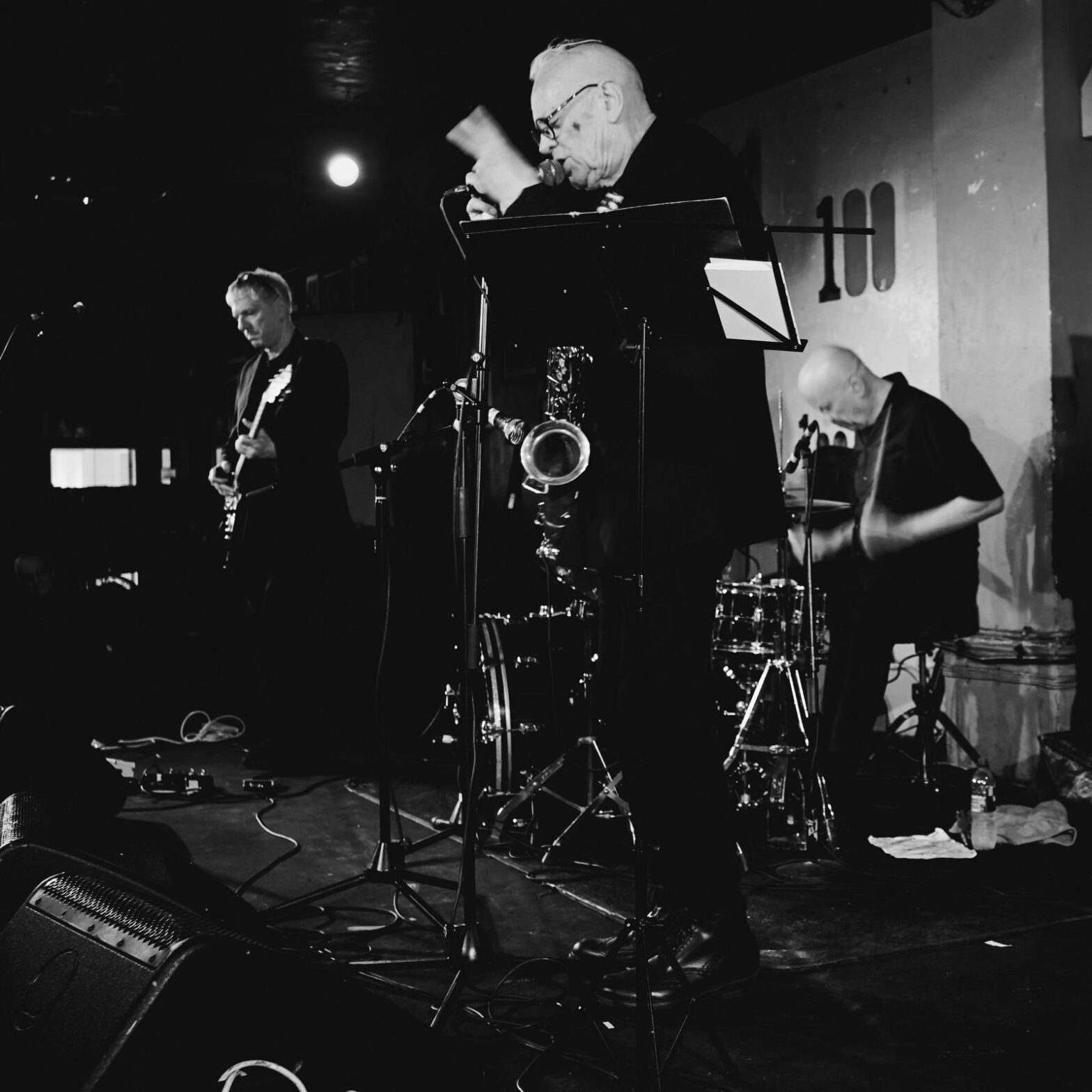
Uz karizmatičnog Teda Miltona, frontmena Blurta koje ćemo imati priliku gledati u četvrtak, 22.1.2026., kičmu benda čini i gitarist Steve Eagles, koji je s njima, uz neke manje pauze, preko 40 godina. Beskrajno originalan muzičar, tvorac minimalističkih zavodljivih rifova, zbog kojih je Blurt toliko jedinstven bend, Steve je tih i zamozatajan, no iza zagonetnog osmjeha i poker face izraza krije se zanimljiva prošlost iz vremena slavne britanske punk i new wave eksplozije kraja 70-ih kada je svirao u vrlo popularnim bendovima Satan’s Rats i The Photos te kasnije i u Bang Bang Machine. Evo rijetke prilike da pročavrljamo sa simpatičnim Steveom.
Na sceni si 50 godina, a tvoji bendovi Satan’s Rats i The Photos su bili prilično uspješni. Satan’s Rats su dijelili stage sa Sex Pistolsima, a The Photos sa cijelim nizom utjecajnih UK bendova kao što su The Adverts, The Cure, The Fall, The Undertones, Thompson Twins… Čak su vam U2 jednom bili predgrupa, a vi ste bili predgrupa na stadionskoj turneji Police-a. Mladi Morrisey je pisao o vama, dok je Bowiev producent Tony Visconti radio s vama na drugom albumu. Možeš li se sjetiti nekog zanimljivog detalja ili anegdote iz tog vremena?
Odučio sam se okušati u pisanju knjige. Što to dulje odgađam, to mi djeluje zahtjevnije, pa će u njoj na kraju završiti sve što mi je bilo smiješno ili zanimljivo u tom periodu. Ideja je da knjiga bude podijeljena na poglavlja od kojih je svako posvećeno jednoj temi. Jedno se, recimo, zove „Sex Pistols“. Prilažem prvu verziju pa mi reci što misliš (*spomenuto poglavlje nalazi se na dnu teksta, op.ur.)
Nakon raspada The Photosa zamjenjuješ originalnog gitarista Blurta Pete Creesa i uz neke pauze do danas si ti uz Teda Miltona najveća konstanta benda. Kako je došlo do tvog ulaska u Blurt i odluke da umjesto u popularnom pop punk bendu sviraš u avangardnijem bendu dosta nesigurnije sudbine?
Blurt sam prvi put gledao 1980. u klubu Hope and Anchor u Islingtonu u Londonu. Tri člana The Photosa, jedan roadie i par frendova iz Eveshama zaputili su se tamo tijekom jedne večeri. Bili smo klinci pa su nam Blurt, kad su izašli na pozornicu, djelovali kao neki stari tipovi. Ali onda su krenuli s tom svojom plemenskom, voodoo glazbom pa smo momentalno napustili naše pozicije na šanku i počeli plesati, a ubrzo i urlati, ne kao da gledamo Beatlese ili nešto takvo — nego smo jednostavno izgubili razum. Bio sam kupljen! Kasnije smo saznali da su iz Strouda, što je bilo tek sat vremena autocestom od Eveshama, pa sam se uskoro upoznao s Tedom. Ponekad bismo moj frend Eric i ja došli k njemu, prespavali, pili whiskey i slušali Sun Ra. U jednom trenutku Ted se posvađao s Peteom Creeseom i trebao mu je gitarist pa je pitao mene da uletim. Isprva je to bilo nestalno jer su se The Photos raspadali, a Ted je neko vrijeme angažirao Hermana Martina na klavijaturama, ali sam se 1984. pridružio za stalno. Sviranje avangardne glazbe nije mi predstavljalo problem — meni je to bila samo gitara — ali prava atrakcija bile su turneje po Europi…zanimljiva i zabavna vremena.
The Photos at the MarqueeSteve with BlurtSatan’s CatsRats signing contract at DJM RecordsSteve and Ted backstage at 100 ClubBlurt onstage at 100 ClubBang Bang Machine
Zadržao si originalan repetitivan stil sviranja gitare Pete Creesa, ali si ga nadogradio nizom svojih inovacija. S druge strane, primijetio sam da početak pjesme Irene od The Photosa neodoljivo podsjeća na Blurt. Da li si ti zapravo uvijek htio biti gitarista Blurta?
Peteov gitaristički stil bio je temelj svega, i ja sam vjerovao u Čistoću Koncepta. Za početak stvari, eksperimentirao sam s efektima i delayima. Uvod u stvar „Irene“ je samo neka osnovna tapping tehnika koju sam izmislio… onaj lik iz Van Halena ju je, naravno, pokrao od mene!
Ti si vrsni gitarista, čak si i učitelj gitare. Kako izdržiš da tijekom neke repetitivne teme Blurta koja traje cijelu pjesmu ne skreneš s puta i odsviraš nešto više? Meni to izgleda kao stav – možeš, ali nećeš, i to vidim kao veliku vrijednost Blurta, nema kompromisa. Možeš li komentirati?
„Bez kompromisa“ je jedno, ali sasvim je druga stvar kad se gospodin Milton usred nastupa okrene prema tebi i izdere se. Držao sam se dogovorenog.
Nedavno si djelomično reaktivirao Satan’s Rats s većinom originalnih članova pod imenom Satan’s Cats. Reci nam malo više o tom projektu.
Olly Harrison (bubnjar Satan’s Ratsa i The Photosa te filmaš) mi se javio mailom tijekom Covid lockdowna s idejom da snimimo neke stvari Satan’s Ratsa, ali s njegovom djevojkom Puss Johnson na vokalu. Tako smo i napravili i ispalo je odlično — EP je izdao Salamander Records i dobili smo sjajne kritike. Imali smo planove za još toga, vinilni album i par koncerata… ali čini se da su nas ipak pritisle godine pa nismo nikad to uradli.
Da imaš priliku, bi li se okušao kao gitarist The Residentsa?
Ne. To bi značilo da moram putovati. I to najvjerojatnije u SAD. Jebeš to.
*Poglavlje:
WHEN SATAN’S RATS MET THE SEX PISTOLS…………..

Dunc, God bless him, tapped the side of his nose conspiratorially and indicated that we should come closer.
“Come closer”, he said as if he were Jesus and about to perform a minor miracle.
Like Dunc’s Disciples we shuffled forwards towards the counter of the record shop, behind which stood Dunc, to listen to what he had to say.
“Tomorrow….we are going to Wolverhampton….to play…. with….the Sex Pistols”.
Stunned silence, then a few sniggers.
“Bollocks”, someone said in the most disbelieving of tones.
Dunc’s face is something to behold, “No, never mind them!”, he exclaimed, clearly exploding with triumph and vain glorious self satisfaction.
“It’s a secret gig, SPOTS on tour, Sex Pistols On Tour Secret, or something like that but YOU, you’ll be playing with them”.
“How….and why?”, someone asked.
“Because the agent who blew out our gig in Liverpool the other week at the last minute threw this in our direction by way of compensation. That’s why.”
The penny began to drop and one by one we clambered over the counter of Evesham Record And Tape Centre to give Dunc a kiss.
This last detail may well be a lie but what is true is that we were four members of a punk band from a grubby market town in the Midlands and that Dunc, record shop owner, was our manager. It was also a Tuesday  afternoon.
“We leave at 12.00 tomorrow morning to get there at 1.30. The Pistols will be there and you’ll be locked in with them for the entire afternoon until after the soundcheck”.
“You mean we’ll GET a soundcheck?”.
“Yes of course, I’m on the case”, said Dunc with absolute confidence. “But…it IS secret, so don’t go out getting pissed tonight and telling the whole pub and for Christ’s sake don’t tell Big Mart”.
And so it came to pass.

My name is Steve, I’m a guitar player and at this point in my life I was 18. I formed the group with my oldest mate, Rench, on lead vocals and later recruited  Olly on drums and Norman Wisdom look-alike, Roy on bass.
The name of the band was Satan’s Rats….and I know, dear reader, what you are thinking….THAT is a crap name for a punk band. Well you may be right but at the beginning of punk rock in the UK in 1976 a band could be formed, named and ready to go inside of a week. We were not Satanists.
My only criteria was that the name would look good on the back of a leather jacket….like Hells Angels. That one’s a winner. The only anti establishment figures round our way at the time were local biker gangs that hung out in local villages, Honeybourne, Willersey and Bidford, places where as a youth I did my cider drinking and sometimes mixed with these gangs. They had great names like Gypsy Warlords,
OffNam Outriders and Badsea Jets. You really couldn’t go wrong with a name like that.

Wednesday morning. The only hire van we could get at short notice was a Luton, all Transit vans in the area were unavailable. For those that don’t know what a Luton is,it’s like a small truck, a cab with a big box behind it, not a walkthrough but a sealed box. Apart from petrol fumes that is. A very dangerous place to put a human being and certainly against the law. But these were the 1970’s.
“Ok Mart, get in then”.
Big Mart was from Yorkshire, he was a hanger-on and he wore a big white boiler suit with I Am A Devo Tee written on it. He was always sweating but he was great on the dancefloor where he would allow himself to be used as a Pogo Launchpad!
He had somehow found out about the gig and he was there outside the record shop, waiting, hanging around. There was no room for him in the car or in the cab of the Luton but, appreciate this, he begged to be allowed in the back of the van. No windows, no light, just darkness, petrol fumes and a few drum cases flying around.
We told him he would die but he didn’t mind dying as long as he got to see The Sex Pistols.
I sat in the front with our two roadies Bilko and Fossie. As well as having cool nicknames they had plans for the future. Bilko, who was driving, wanted to work for Edwin Shirley trucking company and Fossie who was a posh type wanted to become an officer in the Royal Navy.
My plans? To avoid taking a normal job, to be free, to have a good time. I was very focused on becoming a pop star. I was keen on running a tight ship. We must rehearse, they must start on time, we must be productive, we must get to gigs on time, we must get the backline in on time, we must get a soundcheck, we must get things done. I was always giving orders and I too had a cool nickname, Little Hitler.

The Lafayette Club, Wolverhampton. I have no recollection of it’s exterior or where it lived. Probably on a piece of urban wasteland like many of the clubs in the UK, desolate, cold, a howling wind with a rear car park that stank of stale beer and piss.
A gargantuan Sex Pistols truck was already parked up. They were in. I jumped out of the van and began to bark orders until I realised we were in no hurry, we had hours to kill and I decided to chill out. Dunc, Rench, Olly and Roy got out of the car and sniffed the air. Hmmm…the Black Country. Then we opened up the back of the Luton to reveal Big Mart who was still alive but had turned an interesting shade of puce.  We all had a little snigger at that as we filed into the club, each carrying a piece of Rats backline.

In our short career we had released three singles on probably the most un hip record label in the UK, DJM Records. It stood for Dick James Music, an old soldier from the music business who’d had the good fortune to sign Elton John and make a few quid.
We didn’t care though, at least someone wanted us and the £6,000 advance came in handy.
For trainspotters, the three singles were “In My Love For You”, “Year Of The Rats” and “You Make Me Sick”.
We also played with many of the bands of the day in many of the clubs of the day, The Vortex, The Roxy and best of all Barbarellas….with Slaughter and The Dogs, XTC, Killjoys, Suburban Studs, The Drones and plenty of others that I just don’t remember.
An honorary mention must go to The Dewsbury Jerks…from Dewsbury. We had a gig in their home town and they were the local support act and they also had a record out. The Jerks played their set to a highly partisan crowd (numbering about 50), we played and were sent packing before we’d even finished our set and then, I kid you not, they took to the stage for a second time (to roars of approval) in order to mime to their own masterpiece called “Get Your Woofin’ Dog Off Me” which the DJ played from the side of the stage. A tackier victory you’ll never see and I still wonder who had the greater shame, them or us.
But this was Wednesday 21st December 1977 and we were playing with Los Pistoleros, High Priests of Punk and purveyors of what was considered to be the most exciting noise in the UK. Such was their notoriety, to play under a pseudonym was the only way they could perform when local councils throughout the country were feverishly queuing up to ban them.
The inside of the Lafayette (or the Laf as locals called it) revealed an archaic looking and compact hall with a balcony that ran the entire perimeter, like an old music hall, including a section that overhung the stage. Christ, I thought, they’ll be gobbing on us all night, thay can’t fucking miss! Imagine, the baying punk mob, disaffected and obviously violent youth from the back streets of Wolverhampton and Dudley want you to stop because they think you’re crap and start hurling bottles, glasses, beer, cider….pints of piss….being gobbed on would seem a pleasure by comparison. Anxiety grew.
I looked around. Yes, The Pistols were there alright, along with the PA crew, Pistol’s roadies and a couple of huge bodyguards. Some of our lot were sat talking to a spiky top in a long black overcoat….it was Sid. I moved in, I could smell entertainment. A few months before, we were leaving London in a Transit van and spotted Sid walking along the Bayswater Road. “Sid”, we shouted and pulled over to say hello and pay our respects but all we received was a scowl and a leer so we drove off flashing the V’s. He wouldn’t remember us.
Sid looked ill. He was deep inside his overcoat fighting off an imaginary Arctic chill whilst still managing to retain the semi-permanent sneer on his deathly white phizog.
“Where you staying tonight Sid?”, asked Big Mart in his northern brogue. Sid replied in the Dickensyian tone of a sick guttersnipe….
“The fackin’ Frank Coopah ‘Otel”
“Where was that Sid?”, asked Mart again
“The Frank Coopah ‘Otel, I fackin’ hate it”
“Why’s that then Sid?”, said Mart
“The windows are painted in, it’s fackin’ horrible. I ‘ate bein’ up north.
The conversation went along in that manner for a while with our lot chuckling with each new Sid utterance. He looked like he had the flu or something. I think it was the something, the dope, the smack….and who should walk in at that moment….the peroxided provider herself, Nancy Spungen.
Her entry caused a minor stir as she walked over to the mixing desk area where most of the activity seemed to be taking place. Sid barely noticed her, if at all.
Enter Johnny Rotten who had until now, been keeping himself very quiet. It’s well known that he despised Nancy, for getting his mate Sid hooked was probably the main reason, and he made a move. In what was almost an effort to distract Sid from her for a few more minutes he did something quite extraordinary. He found two hammers from a toolbox and then marched up to the stage and sat behind Paul Cook’s drum kit. Then, with bulging eyes and toothy grin, he started to smash away at the drums and cymbals like some deranged marionette, arms high in the air being pulled by invisible strings. All eyes were on him. Even Sid stared at him with some amusement.
After the performance Rotten leapt from the stage and with hammers waving came over to where we were sat.
“ You should see me when I’m on TOP FORM !!”, he announced in his nasal drawl. His arms fell to his side as he eyeballed Sid.
“Sid-er-nee….how are you?”
“I’m alright John, I’ve met some new friends. They’re fackin’ Chuglies though”.
A Chugly seemed to be their word for someone north of Watford. The two of them continued to berate us with it causing high mirth. It made us feel good….having the piss ripped out of us.
Nancy was hovering and J. Rotten retreated, once more, to the shadows.
Sid,meanwhile, was beginning to look restless which was spotted by Big Mart.
“Sid, I’m going to get some chips, shall I get you some Sid?”
“Nah”, said Sid
“Are you sure?”
“Don’t want no chips”
“But I’m going right now”
“Don’t want no chips”
“You won’t be allowed out anyway Martin”, said someone
“Sid, are you sure?”.....
“MARTIN, we howled, HE DOESN’T WANT ANY FUCKING CHIPS….leave him ALONE you MORON!”
And so on, and so forth.

Steve Jones, guitar player and famous cat burglar was playing about with the microphone on the mixing desk. The mic had a distorted delay effect on it which gave his Sieg Heils a fairly menacing touch as he jackbooted across the dancefloor. Paul Cook, drummer, was quiet throughout.
Other things of note:
1. Sid’s bass stack sounded horrible, like it was being played through a fuzzbox. No one seemed to care though.
2. The Pistol’s guitar roadie was called Rodent
3. Dunc said that the big meathead Pistols bodyguard had done time for murder but once you got to know him he was a nice bloke!

The Gig. Ahh the gig. What had I been so worried about? We slayed ‘em, we Slayed ‘em in Wolverhampton!
They swooned to the driving rhythms of Olly, Roy went Boom Boom Boom, I went Thrash Twang Screetch and Rench was a STAR! The crowd were in an indescribably exuberant mood, the place was packed to the rafters and no one threw beer over us. We were covered in gob though…but that was a sign of respect! Of course it was, they loved us! What harm can a bit of gob do you? (Well you could’ve asked Joe Strummer that one).
The crowd wanted more so we came back for an encore. Glory be. I swanked around the stage in my pink plastic trousers….some YAM YAM in the crowd shouted “wanker!”, which I ignored, must have been aimed at Rench. Fuck it. SUCCESS!
We came off stage dripping with sweat into the tiny dressing room. At that precise moment a hatch opened and four Sex Pistols fell through it landing on the floor. They must have just got back from the Frank Cooper Hotel, I thought.
There wasn’t much room in there so us Rats had to vacate….into the rear car park and our new dressing room, the Luton van.

I got drunk, I know that, and I also know that I was witness to one of the best gigs I’ve ever seen. It might be tempting to say that The Pistols couldn’t play, they were a crushing bore, what was all the fuss about? But yarbles to that…they were SENSATIONAL!
Powerful and brilliant, Rotten’s act pure Vaudeville….who could forget his impression of the Michelin man?
“Give me your clothes”, implored Rotten as he gazed up to the balcony. Mohair jumpers and allsorts were hurled at him from every direction, he reached skywards to receive attire from above. And then he put them all on. To the backdrop of No Fun he slowly but surely evolved into the grotesque and comical looking form of a famous tyre manufacturer.
Steve Jones in front of a battered Fender Twin with the words Guitar Hero graffitied on it was actually that. His playing was everything, he was driving it, him and Cook. Sid was Sid, something to look at and whatever he was playing somehow meshed into fabulous energy that was emitting from the stage. The whole place rocked, a joyous and sometimes violent celebration of British youth culture.
The Pistols were like a magnesium flare….they burned so very very brightly. Catch ‘em while you can, I thought.

A while later the club was virtually empty. Bilko and Fossie had finished loading the van and assorted Rats were sat about eyeing up bedraggled punkettes. Dunc was puffing on a cigar. “What about that then boys?” Nobody really said anything because it kind of felt like it was the best day of our lives and what do you say to that? Then I spotted Rench looking uncomfortable and slightly agitated with that look in his eye. He shuffled round in his chair and then stood up looking down at Dunc. “When are you gonna get us some proper fucking gigs?”, he said. And with that, walked out of the back door.
English version:
Along with the charismatic Ted Milton, Blurt’s frontman, the backbone of the band is also guitarist Steve Eagles, who has been with them, with some minor breaks, for over 40 years. An infinitely original musician, the creator of minimalist seductive riffs, which make Blurt such a unique band, Steve is quiet and shy, but behind the enigmatic smile and poker face expression is an interesting past from the time of the famous British punk and new wave explosion of the late 70s when he played in the very popular bands Satan’s Rats and The Photos and later in Bang Bang Machine. Here’s a rare opportunity to chat with the lovely Steve.
You have been on the scene for 50 years, and your bands Satan’s Rats and The Photos were quite successful. Satan’s Rats shared the stage with the Sex Pistols, and The Photos with a whole host of influential UK bands such as The Adverts, The Cure, The Fall, The Undertones, Thompson Twins… U2 even supported you once, and you supported the Police on a stadium tour. A young Morrisey wrote about you, while Bowie’s producer Tony Visconti worked with you on the second album. Can you remember any interesting details or anecdotes from that time?
I’ve challenged myself with writing a book Kornel and the longer I leave it the more challenging it becomes so anything that was funny or interesting will be in there. The idea is that there will be a series of chapters dealing with one subject at a time. One chapter for example is called “Sex Pistols”. I’ll attach the first draft and you can tell me what you think.
After The Photos broke up, you replaced original Blurt guitarist Pete Creese, and with some breaks, you have been the band’s biggest constant, along with Ted Milton, to this day. How did you join Blurt and decide to go from a popular pop punk band to a more avant-garde band with a much more uncertain fate?
I first saw Blurt at The Hope and Anchor in Islington, London in 1980. Three members of The Photos, a roadie and a couple of mates from Evesham went there on one of our nights off. We were young so when Blurt walked on the stage they seemed like old guys to us but they started playing this tribal voodoo music and we left our positions at the bar and started dancing, then we found ourselves screaming, not like they were The Beatles or anything, but we just lost our minds. I was a fan. Then we found out that they were from Stroud which was only an hour down the motorway from Evesham so I got to know Ted and sometimes me and my mate Eric would visit him , stay overnight, drink whiskey and listen to Sun Ra. At some point Ted had a fight with Pete Creese and needed a guitar player so he asked me. It was a bit stop /start because The Photos were splitting up and Ted used Herman Martin on keyboards for about a year but I joined permanently in 1984. Playing avant-garde music was no problem, to me it was just guitar playing but the big attraction was touring around Europe….interesting and fun times.
You kept Pete Creese’ original repetitive guitar playing style, but you upgraded it with a series of your own innovations. On the other hand, I noticed that the beginning of The Photos’ song Irene is irresistibly reminiscent of Blurt. Did you always want to be Blurt’s guitarist?
Pete’s guitar style was the blueprint and I believed in Concept Purity. To open things out I would experiment with FX sounds and delays. The intro to “Irene” is just some rudimentary tapping technique that I made up…..that bloke from Van Halen stole it off me obviously!
You are an excellent guitarist, you are even a guitar teacher. How do you manage not to deviate from the path and play something more during a repetitive Blurt theme that lasts the entire song? To me, it seems like an attitude – you can, but you won’t, and I see that as a great value of Blurt, there is no compromise. Can you comment?
Well ‘no compromise’ is one thing but it was quite another thing for Mr. Milton to turn round and bark at you mid performance. I stuck to the straight and narrow.
You recently partially reactivated Satan’s Rats with most of the original members under the name Satan’s Cats. So, what’s this mission all about?
Olly Harrison (Satan’s Rats and Photos drummer and film maker) emailed me during Covid lockdown to suggest recording some Rat’s tunes with his girlfriend Puss Johnson on vocals. So we did that and it turned out great, released an E.P. on Salamander Records and all these great online reviews rolled in. We had plans to do some more, make a vinyl album and do some shows….but I think we’re feeling our age and never got round to it.
If you had the chance, would you try your hand at being the guitarist for The Residents?
No. It would mean I’d have to travel. And most likely to the United States. Fuck that.
Chui u Močvaru 5.2.2026. stiže s glazbom koja se stalno razvija i živi na pozornici. Uoči nadolazećeg koncerta, razgovarali smo s Tonijem Starešinićem o sceni, festivalima i zašto jazz najbolje komunicira uživo.
Ljubazno vas molim da nam se, za početak, predstavite.
Bok. Ja sam Toni, lider sastava Chui, klavijaturist i kompozitor, jedini u bendu od prvog dana. Samostalan sam umjetnik. Sa suprugom Željkom Veverec vodim bend Mangroove, pratim nju u Je Veux, pratim i Josipu Lisac. Surađujem i s drugim glazbenicima na raznim projektima, od kojih je aktualan Zmaj Orko Star sa Zoranom Majstorovićem i Borkom Rupenom. Maestro Vojkan Jocić je naš glazbeno najobrazovaniji član. On je akademski glazbenik, saksofonist sastava Chui i mnogih drugih jazz sastava. Član je i Jazz orkestra HRT-a, Mimike orkestra, a siguran da na svom popisu ima još pokoji orkestar. Vojkan je čovjek koji je praktički svaki dan sa saksofonom negdje na zadatku. Konrad Lovrečić je naš stup oslonac, basista koji drži sve na okupu od albuma Iz kapetanovog dnevnika. Kroz razne bendove sviramo i družimo se već možda i petnaest godina. Konrad svira već jako dugo i u Elementalu, Kriesu, a trenutno mu je najfriškija roba Dark Tree Bark. Ivan Levačić je naš tornado na bubnjevima, a svira bubnjeve i u sastavima ABOP, Kries, Živa voda, prati Natali Dizdar, Đutka. Trenutno je posebno vruć oko svog solo projekta Eleven. I Ivan je samostalni umjetnik.
S obzirom na to da je jazz scena u Hrvatskoj relativno mala, kako je Chui „probio led“ da postane prepoznatljivo ime i izvan nje?
Pa ne mogu se složiti da imamo malu scenu, svake godine se objavi i do petnaestak albuma, imamo i povelik broj jazz festivala. Ono što nam nedostaje su klupska jazz infrastruktura, jazz kritika i jazz publika. Jazz je uglavnom prepušten entuzijazmu ljudi koji su zaljubljeni u njega i ne mogu zamisliti svoj život da ne rade to što rade. Ne znam koliko smo mi uspjeli postati prepoznatljivo ime izvan Hrvatske. Puno češće smo nastupali po Europi prije pandemije, a zadnjih par godina nas je nešto krenulo u Srbiji.
Chui – First Of All… (Official Music Video)
Utječu li nastupi na velikim festivalima i međunarodnim eventima (npr. Eurosonic, Kaunas Biennial, Ment) na vaše profesionalne planove i glazbeni smjer i kako?
Mogu reći da su ti festivali prekrasna iskustva. Na Eurosonicu smo nastupili prije mojih miljenika, fantastičnih jazz Islanđana ADHD, pa smo se upoznali i lijepo podružili. U Kaunasu smo proveli prekrasnih tjedan dana stvarali glazbu za predstavu koju smo onda kasnije ponovili i u Berlinu i kod nas u Šibeniku. Na MENTU smo zaradili nastup u Francuskoj u Lilleu tako da je svaki put bilo nešto lijepo.
Koje glazbene medije pratite i zašto?
Domaću glazbu pratim preko portala, društvenih mreža, YouTubea i dnevne štampe. I dalje volim sjesti negdje na kavu ujutro i listati dnevne novine. Od digitalnih servisa koristim YouTube i Bandcamp. Kad ih koristim, to je u slučajevima kada nemam druge opcije. Primjerice, kad sam u tramvaju ili autobusu zgodno mi je otkrivati glazbu preko Bandcampa. Stranu glazbu najčešće pratim preko portala allmusic.com
Na kojem glazbenom festivalu izvan Hrvatske biste voljeli nastupiti? (možda čitaju ovaj blog, nikada se ne zna)
Umbria Jazz festival apsolutno. Obožavam Italiju i često gledam lineupove na tom festivalu i plačem kako opet ne mogu otići jer mi se preklapa s nekim od mojih koncerata.
Prema vašem iskustvu, koja dobna skupina prevladava na vašim koncertima? Možete li uopće procijeniti i što mislite zašto je tako?
Chui slušaju ljudi od 30 pa na dalje. Slušaju nas ljudi koji vole dobru glazbu, bio to rock, elektronika, jazz, funk ili neka eksperimentala. S vremenom smo postali sinonim za dobru glazbu širokog spektra koja ne miruje već se sa svakim albumom razvija dalje. Zahvaljujući tome, interes publike ne opada već lagano raste, malo se i mijenja i miješa kroz vrijeme kako mi miješamo glazbene žanrove.
Što mislite, kako je najbolje doći do mladih naraštaja i otvoriti im afinitete za, primjerice, jazz?
Jazz najbolje komunicira uživo, na koncertima. Vjerujem da jazz treba onako gerilski stavljati u facu ljudima, nikako ga skrivati ili organizirati samo za određen mali broj kužera. Jazz je energija života i to većina ljudi osjeti i kad ga prvi put čuju u živo.
Mlade također treba staviti u doticaj s jazzom čim prije. Primjerice, na svom otoku Istu ljeti organiziram mali jazz festival Jazzist. Puno djece i mladih pa i starih je prvi put tako poslušalo jazz koncert i mislim da se svima svidjelo. Mladi, pogotovo djeca, su otvoreni za sve i sve upijaju kao spužve. Ako neko od te djece ima afinitet prema glazbi možda baš ti koncerti budu okidač koji će ga kasnije usmjeriti.
Imate li neko iskustvo s vašeg nastupa kojeg se uvijek vrlo (ne)rado sjetite i zašto?
A hm hm ima puno i neugodnih i preugodnih iskustava, teško mi je izdvojiti neko. Uvijek se s osmijehom sjetim pada s pozornice na jednom Adventu u Zagrebu haha. Netko je to snimio mobitelom i poslao mi snimku. Izgleda kao da gledaš neki crtani film Tom i Jerry ili Šiljo i sportovi.
Koji je zadnji koncert na kojemu ste vi bili i na kojemu vas je oduševila organizacija?
Zadnji koncert Chuia u Splitu u proširenoj postavi u dvorani Ive Tijardovića je bio baš prava poslastica. Ekipa dolje radi fantastične stvari i puno je učinila za kulturnu ponudu Splita. Prije toga smo bili u Novom Sadu. U Bulevar Booksi smo kao kvartet odsvirali naš vjerojatno najbolji koncert ikada. Ekipa je tamo predivna, osjećamo se svaki put kao doma i onda je sve lakše.
Sjećate li se vašeg prvog susreta s Močvarom (izlazak, nastup, poster, dejt…)? Opišite nam kako je to izgledalo?
Da sjećam se. Ne mogu se sjetiti imena benda, znam da je pjevao Mario Kovač, a za jako nisko postavljenim klavijaturama je onako pogrbljeno sjedio div Hrvoje Nikšić. Hrvoja ću upoznati nekoliko godina kasnije i kod njega snimiti puno albuma, uključujući i prva tri Chuia.
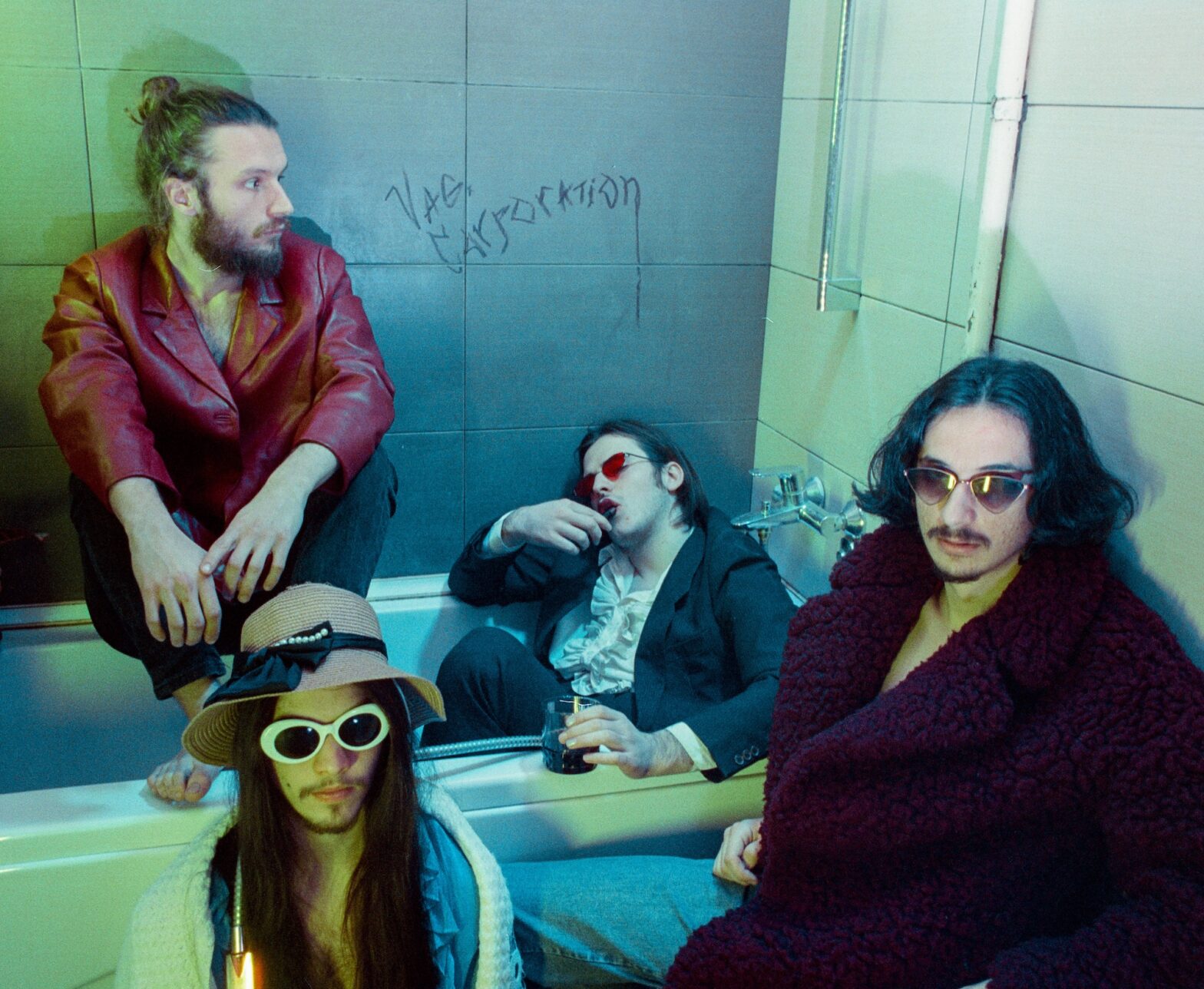
Iz srca skopske scene, kroz sobe i kolektive, dolazi Vagina Corporation — bend koji DIY energiju pretvara u čistu katarzu. Njihov zvuk spaja krautrock, psych i lokalne korijene, a na pozornici pretvara publiku u zajednicu oslobođenih tijela. Uoči koncerata u Močvari 6.11. i Beogradu (Karmakoma) 5.11., pričali smo o sceni, jeziku i onome što ih stvarno pokreće.
Budite ljubazni i predstavite nam jedan drugoga! (ideja je da svaki član predstavi nekog drugog člana, s nekim vašim internim pošalicama ili informacijama) Borjan: Luka (vokal, gitara): Veliki maestro, ne prestaje komponirati ni u jednom trenutku, osobito kad želimo malo tišine između pjesama na probama. Luka: Dario (bubnjevi): Dario je skriveni dijamant, našao sam ga u jednom skopskom skvotu kako fenomenalno improvizira, a nakon toga sam odlučio da moramo zajedno svirati. Dario: Filip (gitara): Njegova gitara uvijek ima previše visokih frekvencija i na svakoj tonskoj probi nas tonac traži da ih stišamo. Filip: Borjan (bass): pikleto (nije typo, samo specifičan nadimak, hahaha)
Odakle je došla ideja za ime benda? Želite li njime nešto poručiti? Luka: Ne znam, u posljednje vrijeme mislim da ga i ne volim baš previše. Prvo je počelo kao neka ideja autosabotaže — odaberi loše ime i ako nakon toga uspiješ, znaš da si stvarno uspio. Ne znam osjećam li se i dalje tako, hahaha. Borjan: Često mislim da je ideja samo najgluplje i sramotno ime za bend. Filip: Ja mislim da je to bio izazov za Luku.
Na nekoliko mjesta opisujete svoj stil kao KRAP (kraut-rock/americana/psych) i spominjete i globalne utjecaje (Neu!, Can) i lokalne (novi val u regiji). Koji lokalni makedonski utjecaji ili pjesme oblikuju vaš zvuk i na koji način? Luka: Arhangel je ime koje ne zna puno ljudi izvan Makedonije, ali ako pitate bilo koga tko se trenutno u Makedoniji bavi glazbom koji im je omiljeni bend i utjecaj, svatko bi naveo Arhangela u top 3. To i sam mogu potvrditi. Svakako moram navesti i svoje kolege iz Lufthanse i Korporacije koji me inspiriraju svaki put kad zajedno sviramo, bilo kroz jamanje ili komponiranje novih pjesama. Scena u Skopju se drži zajedno i ima puno fenomenalnih bendova svih uzrasta. Neki od trenutačno najuzbudljivijih su mi Korla, Golemata Voda, Stoj, Posle! i mnogi drugi koji su dio ili nisu dio etiketa “Mrtov Konj” ili “Gola Planina kolektiv”. Ako Skopje nešto ima, to je glazba.
Smatrate li da bi nešto trebalo napraviti/promijeniti u ovom našem današnjem Balkan-svijetu, što se tiče glazbene scene? Borjan: Ima puno toga, oduvijek je ideja da scenu učinimo boljom i solidarnijom no što je bila prije. Osobno mi je važno da bendovi pjevaju na materinjem jeziku. Kad imaju predobru glazbu, ali pjevaju na engleskom to mi ostavi malo gorak okus. Ne da smatram da to nije dobro, ali se toj glazbi oduzima ono što bi bila kada bi bila ispjevana na materinjem, najiskrenijem jeziku. Kad se pjeva na engleskom, nosi se maska koja dozvoljava distancu od glazbe, a kad pjevaš na svome, tada jednostavno ne možeš ne biti iskren. Ionako ima previše bendova koji pjevaju na engleskom.
Kako se povezujete s fanovima, osim na koncertima? Primjerice, jedan bend iz susjedne države je svoje fanove pozvao na piknik. Jeste li vi kada pristupili takvim neobičnim, ali kreativnim metodama ili možda razmišljali o njima? Filip: Ja nakon svirke dajem publici svoje haljine. Luka: Pa iskreno, mislim da bismo u tom aspektu mogli biti bolji. Kad se malo napijem želim se družiti, pozovem ljude koji su bili na koncertu na afterparty, ali većinu vremena je samo cringe i pomalo patetično. S druge strane, upoznaš puno kul ljudi i to je dobar equalizer.
Vaš album ‘Време е!’ snimljen je u garaži u Skoplju. Zašto ste za mjesto snimanja albuma odabrali ovakav prostor i zašto baš tu garažu? Luka : Време е nije bio snimljen u garaži, već u mojoj sobi, koja vrlo često možda i liči na garažu. Nisam baš najbolji u pravilima za čistu sobu Jordana Petersona. Možda zato album i zvuči tako. Malo janky, malo DIY i malo shit. Ali hej, demo snimke imaju svoju dušu i ta duša DIY glazbe mi se jako sviđa i može biti jako dobra.
Na albumu ‘Дали ова е живо?’ osjeća se snažna energija vaših nastupa. Što biste voljeli da vaš slušatelji ponesu kući s vaših koncerata? Merch, naravno. Možda i neku emociju, umor, hype, motivaciju…? Borjan: Meni je najbitnije da se ljudi osjete oslobođenije i ugodnije u svojim tijelima, kao što sam se ja osjetio kad sam počeo svirati pjesme nakon što me Luka pozvao u bend.
Luka: Ja volim kad ljudi dožive nekakav katarzični osjećaj i volio bih da se to desi i u Zagrebu. Da se ljudi prepuste muzici, plešu i ne razmišljaju previše je li nešto dobro ili ne. Ako ljudi o tome ne razmišljaju, onda plešu i dobro se provode. To volim. Kad ljudi plešu, tada sam i ja sretan.
Koji vam je koncert ili mjesto nastupanja ostao u nekom sjećanju i zašto? Borjan: Jedna od mojih omiljenih svirki definitivno je bila u Zadru. Imali smo i posjećenije svirke, ali tamo je svatko u publici bio maksimalno hyped, energija je bila nevjerojatna. Nakon svirke smo trebali spavati u Nigdjezemskoj, ali oni koji su tamo bili znaju da tamo nemaju baš idealne uvjete (nema vode, ali shout-out ekipi iz Nigdjezemske, najbolji su i napravili su nam najukusniju domaću pizzu). Na kraju koncerta Luka je pomalo stidljivo pitao na mikrofon publiku možemo li kod nekoga prespavati. Ponudilo se nekoliko ljudi i na kraju smo spavali kod Makedonke koja je znala Luku i bila na Erasmusu u Zadru, a baš taj dan joj je prijateljica dala svoju booking sobu na korištenje. Tako da smo od DIY uvjeta na kraju dobili najbolji tretman. Luka: Meni Ljubljana svaki put ima prelijepe ljude i prelijepu energiju. Možda jer tamo imamo puno prijatelja i oni tamošnji ambijent čine opuštenijim, donoseći rakiju i dajući je na sve strane. I tamo ljudi najviše plešu. Mislim da mi se zato najviše sviđa. Filip: Kragujevac…tko zna…zna…
Znate li možda za neki bend u nastajanju, možda kolege koji još nisu oformili bend ili neke tinejdžere koje ste čuli kako sviraju u lokalnom kafiću, a da su vam “zapeli za uho”? Borjan: Trenutačno u Skopju ima puno odličnih bendova, poput Golemata voda, Mallard i Korka. Stvarno sam ponosan kad vidim kako se ti mladi bendovi razvijaju. Golemata voda su i mene konkretno inspirirali da se ne bojim svoje emo strane u jednoj novoj pjesmi koju trenutačno pišem za Vaginu. Luka: Slažem se s Borjanom, trenutačno u Makedoniji postoji vrlo inspirativna mlađa scena. Iz Hrvatske mi se jako sviđa Klaustrofonija, iz Slovenije su mi fenomenalni Mal premalo, a iz Srbije Klotljudi i Ubili su batlera.
Gdje biste voljeli nastupati nekada u budućnosti? Možda neki festival, prostor ili koncertna dvorana, klub? Borjan: Bilo bi kul da sviramo u nekom dvorcu ili konačno na Samitu nesvrstanih. To izgleda kao najkul mjesto za svirku, sa svim skejterima. Luka: Možda u nekom zatvoru ili ludnici. Kao što su radili Cramps ili Iggy Pop. To bi bio lijep način da poginemo. Filip: U nekoj korporaciji ili frizerskom salonu “Vagina”.
Što nam spremate za Močvaru? Borjan: Spremamo dobru žurku, kao i par pjesama na kojima trenutačno radimo, koje ćemo po prvi put odsvirati upravo u Močvari i dan prije u beogradskoj Karmakomi. Free spirit day. Total fucking party maaaaaan.
Razgovarala: Anita Ulovec (Volontiram u Močvari) S Makedonskog prevela: Laura Tandarić